

Turmeric shots — small, potent bottles of golden liquid — have become a staple of the wellness aisle. But what exactly are they, and do their benefits live up to the hype? This guide looks at the potential benefits of turmeric shots, what is inside them, and the safety information worth knowing before you make them a habit.
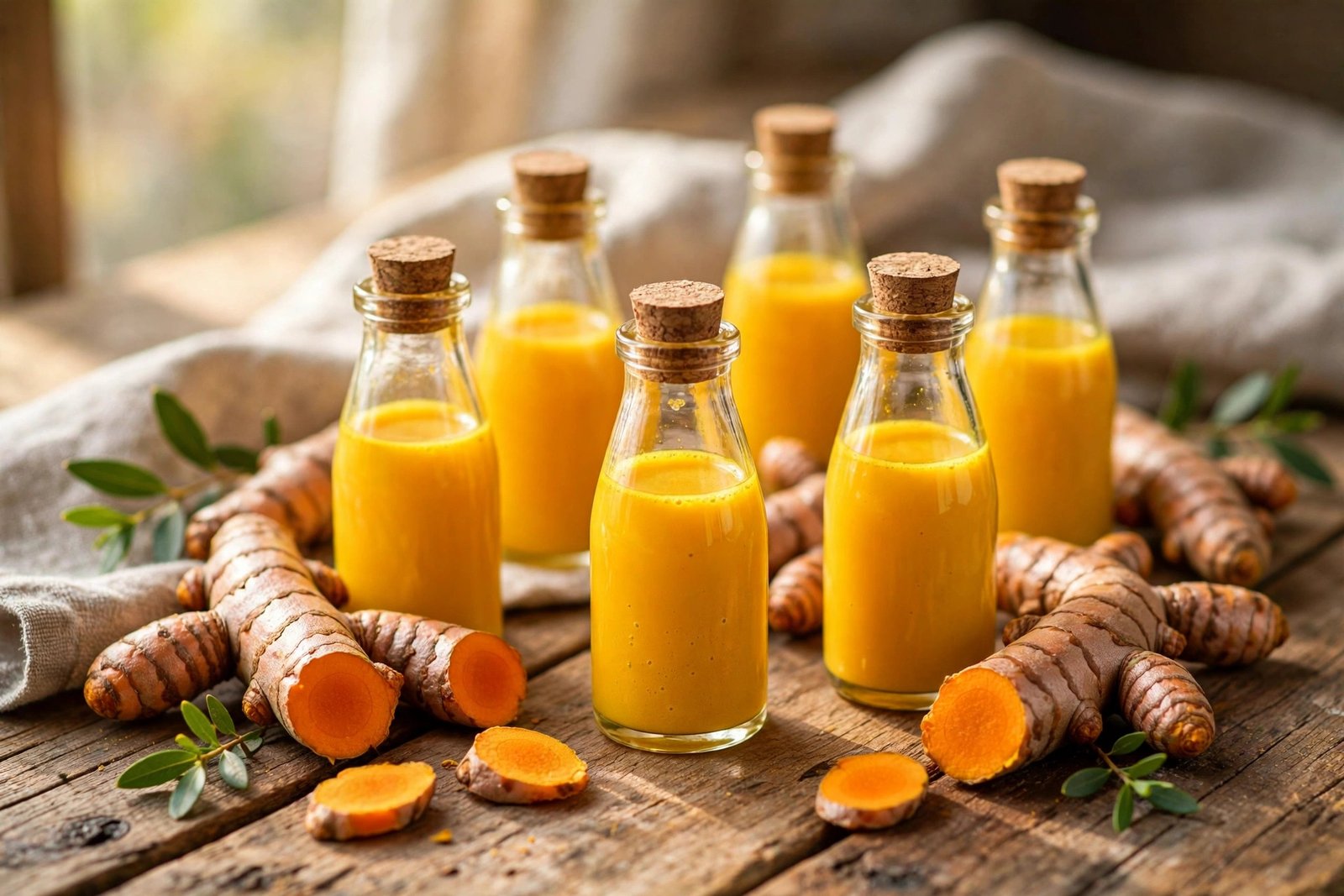
What Is a Turmeric Shot?
A turmeric shot is a small concentrated drink, usually 60 to 90 milliliters, made primarily from turmeric root or turmeric powder. Most commercial versions also include black pepper, ginger, lemon, or orange juice to improve the flavor — and, in the case of black pepper, to help the body absorb turmeric’s active compounds.
The key compound in turmeric is curcumin, which gives the spice its vivid yellow-orange color. Curcumin is the ingredient most associated with turmeric’s traditional uses and the subject of most modern research interest.
Potential Benefits of Turmeric Shots
Turmeric has been used in traditional cooking and wellness practices for centuries. Modern interest focuses on a few areas where curcumin may play a supportive role:
- Everyday comfort: Curcumin is widely studied for its role in the body’s normal inflammatory response, which is why turmeric is popular with active people.
- Antioxidant support: Turmeric contains compounds with antioxidant properties that help the body deal with everyday oxidative stress.
- Digestive comfort: In traditional use, turmeric has long been taken after meals, and ginger — a common shot ingredient — is known for settling the stomach.
- Morning ritual: Many people simply enjoy turmeric shots as a flavorful, caffeine-free way to start the day.
It is important to keep expectations realistic. Most human research uses concentrated curcumin extracts at doses far higher than what a single shot provides. A daily shot is best viewed as a pleasant addition to an already balanced diet, not a cure for anything.
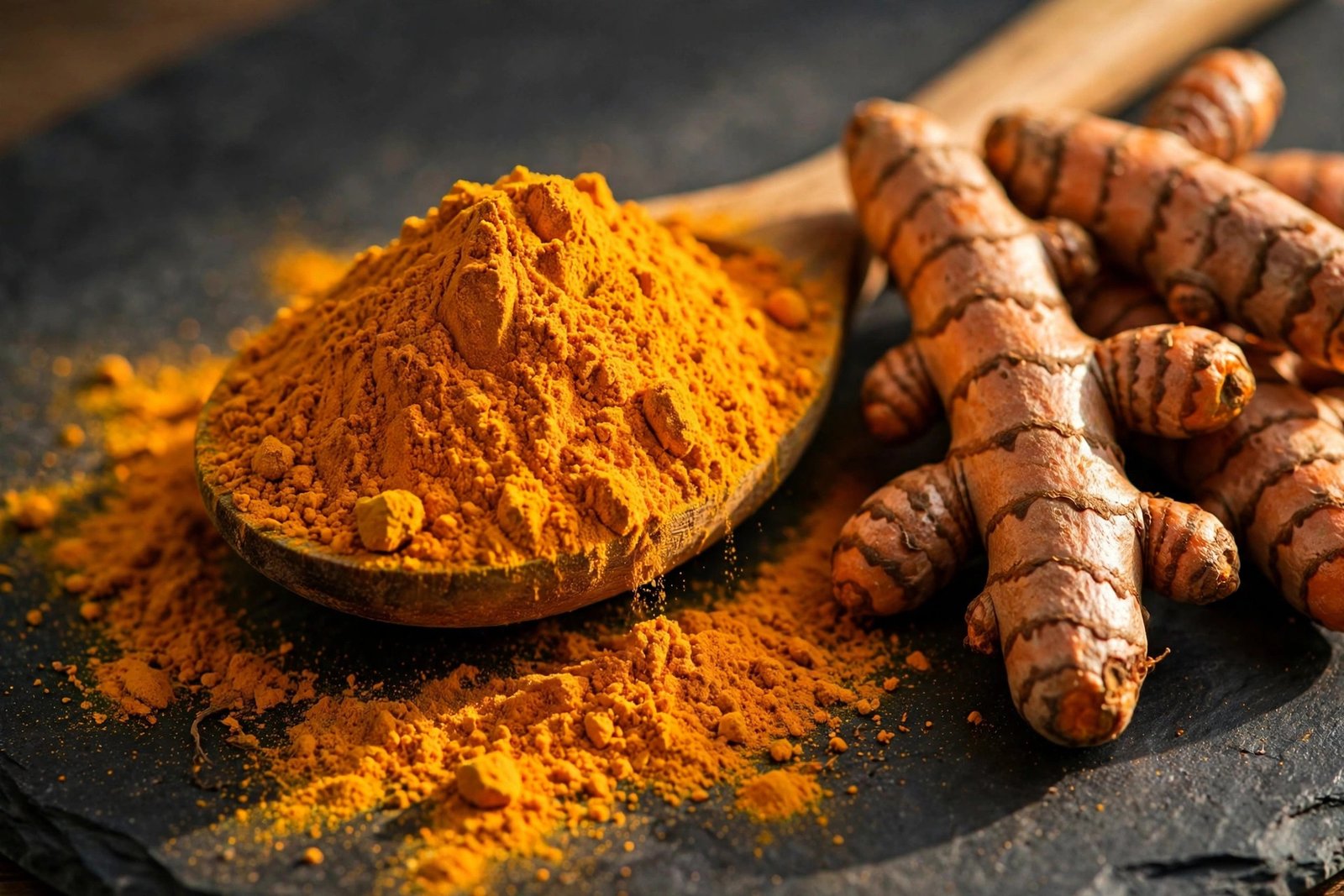
What Is Usually Inside a Turmeric Shot?
Reading the label is always worthwhile. A typical turmeric shot may contain:
- Turmeric juice, puree, or powder
- Black pepper extract (often listed as piperine)
- Ginger, lemon, or orange for flavor
- Water or coconut water as a base
- Sometimes added sweeteners — check sugar content if that matters to you
Homemade versions give you full control over ingredients. A simple home recipe blends fresh turmeric root with black pepper, lemon juice, and a little honey or orange juice, strained and stored in the fridge for a few days.
Safety Information to Know
Turmeric as a food spice is considered safe for most people. Concentrated shots deserve a bit more caution:
- Stomach sensitivity: Large amounts can cause nausea or digestive discomfort in some people.
- Medication interactions: Turmeric may interact with blood thinners and diabetes medications, among others. If you take prescription drugs, check with your doctor or pharmacist first.
- Gallbladder and kidney concerns: People with gallbladder problems or a history of kidney stones should get medical advice before using concentrated turmeric products regularly.
- Pregnancy: Culinary amounts are fine, but concentrated supplements or daily shots during pregnancy warrant a conversation with a healthcare provider.
How to Choose a Good Turmeric Shot
If you are buying rather than making your own, look for shots that list turmeric (or curcumin) clearly among the first ingredients, include black pepper or piperine, and keep added sugars low. Cold-pressed or fresh-pressed options tend to taste brighter, though they usually cost more and have shorter shelf lives.
For more everyday wellness reading, see our guides on magnesium gluconate benefits and free calorie counter apps for tracking what you eat and drink.

Turmeric Shots vs. Turmeric Capsules
Shots are not the only way to get turmeric’s compounds. Capsules and powders offer a more concentrated, tasteless option, while cooking with turmeric integrates it into meals you already enjoy. Shots sit in the middle: more enjoyable than a pill for many people, more concentrated than a curry.
The main advantage of shots is ritual — a small daily bottle is easy to remember. The downside is cost: a daily store-bought habit adds up quickly compared to powder or capsules. Homemade shots split the difference nicely.
Who Should Be Cautious?
While turmeric is a common food spice, concentrated daily shots deserve extra thought if you are pregnant, take blood-thinning or diabetes medication, have gallbladder issues, or have a history of kidney stones. In these cases, a quick check with a healthcare provider is the responsible move. Healthy adults without these concerns can generally enjoy turmeric shots without worry.
Frequently Asked Questions
Are turmeric shots good for you?
They can be a healthy addition to a balanced diet, supplying turmeric’s natural compounds in a convenient form. Just keep expectations modest — a shot is a supplement to good habits, not a replacement for them.
When is the best time to drink a turmeric shot?
Many people take one in the morning, sometimes before breakfast. Taking it with or after a small meal may reduce the chance of stomach discomfort.
Can I drink a turmeric shot every day?
Daily use is common and generally fine for healthy adults, but if you take medications or have a health condition, check with a healthcare professional first.
Do turmeric shots need black pepper?
Black pepper contains piperine, which is widely reported to improve curcumin absorption. Shots without it still contain turmeric’s compounds, but absorption may be lower.
Can I make turmeric shots at home?
Yes. Blend fresh turmeric root (or powder) with black pepper, lemon juice, and water or orange juice, then strain. Store in a sealed bottle in the refrigerator and use within a few days.
Conclusion
Turmeric shots offer a convenient, flavorful way to enjoy one of the world’s most popular spices, with potential perks tied to curcumin’s well-studied properties. Enjoy them as part of a varied diet, read labels carefully, and check with a professional if you have health concerns — that is the balanced way to approach any wellness trend.
Note: This article is for informational purposes only and is not medical advice. Talk to a qualified healthcare provider about supplements and health concerns.


Leave a Reply