

Technology moves fast, and keeping up with the latest technology news can feel like drinking from a firehose. New devices launch every week, software updates roll out constantly, and breakthroughs in fields like artificial intelligence make headlines almost daily. Readers searching for the latest technology news — including coverage associated with names like Drovenio — are usually looking for the same thing: a clear, reliable picture of what is happening in tech right now and what actually matters.
This independent guide explains what modern technology news typically covers, which trends deserve your attention, and how to follow tech developments efficiently without getting overwhelmed. Whether you are a professional who needs tech awareness for work or simply curious about where innovation is heading, the frameworks below will help you read tech news more critically and get more value from less scrolling.

What Technology News Covers Today
Technology news is a broad beat. A single day of headlines can span everything from a smartphone launch to a cybersecurity breach to a research paper on quantum computing. Understanding the main categories helps you filter for what is relevant to you.
Consumer Electronics and Gadgets
Phones, laptops, wearables, smart home devices, and audio gear remain the most-read tech stories. Launch coverage, hands-on reviews, and buying guides dominate this category. The practical value here is direct: if you are planning a purchase, following gadget news for a few weeks before buying can save you from paying full price right before a successor model arrives.
Software, Apps, and Platforms
Operating system updates, popular apps, cloud services, and developer tools form the second pillar. These stories matter because software changes how existing hardware behaves — a major OS update can extend or shorten the useful life of the devices you already own.
Artificial Intelligence and Machine Learning
AI dominates current tech coverage, from new model releases to debates about regulation and jobs. Because AI news mixes genuine breakthroughs with marketing hype, it rewards especially careful reading — more on how to evaluate claims later in this guide.
Cybersecurity and Privacy
Data breaches, ransomware attacks, new privacy laws, and security best practices make up a growing share of tech news. These stories have direct implications for how you protect your accounts and data, which makes them some of the most actionable tech coverage you can follow.
Startups, Business, and Industry Moves
Funding rounds, acquisitions, earnings reports, and executive changes explain the business forces shaping the products you use. Readers interested in market context — for example, those following stock market coverage of technology companies — will find this category connects product news to the bigger economic picture.
Major Technology Trends Worth Watching
Beyond daily headlines, several long-running trends are reshaping the industry. These are the developments most likely to affect your work and daily life over the next few years.
Generative AI Goes Mainstream
AI assistants, image generators, and AI-powered search are moving from novelty to infrastructure. Businesses are integrating AI into customer service, content creation, and software development. The important story is not any single model release but the steady embedding of AI into everyday tools — and the accompanying questions about accuracy, copyright, and how organizations govern AI use.
Edge Computing and On-Device Processing
More processing is happening on devices themselves rather than in distant data centers. This trend improves responsiveness and privacy for applications like voice assistants, cameras, and health sensors, and it is one reason newer phones and laptops advertise dedicated AI chips.
Sustainable and Energy-Efficient Tech
Data centers consume enormous amounts of electricity, and the industry is under pressure to improve efficiency. Expect continued coverage of greener chips, renewable-powered infrastructure, and repairable, longer-lasting devices as both regulators and consumers push for sustainability.
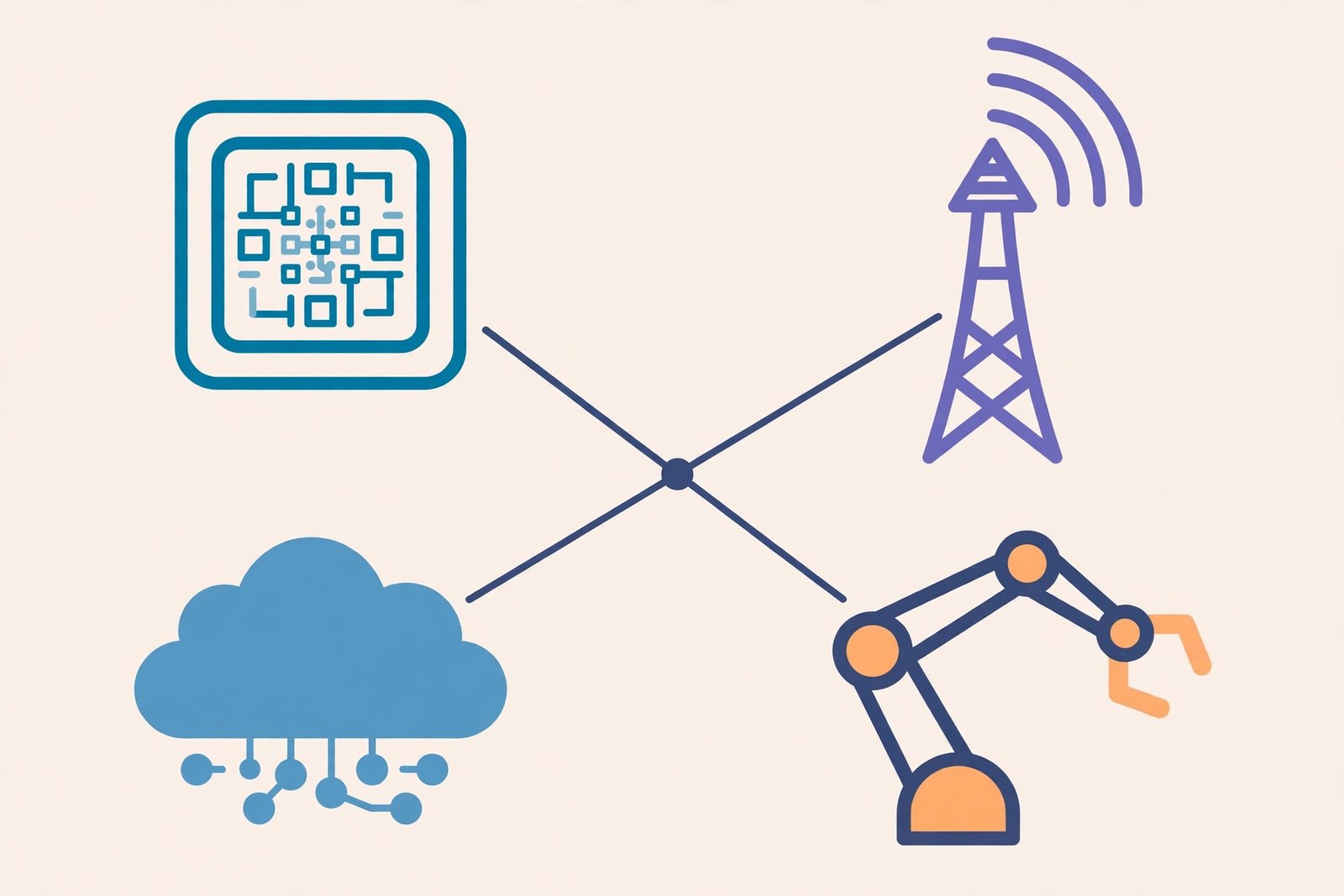
Connectivity: 5G Matures, 6G Research Begins
5G networks are now widely available in many regions, enabling faster mobile experiences and new industrial applications. Meanwhile, research into 6G has started, though commercial deployment remains years away. For most readers, the practical takeaway is simpler: connectivity keeps getting faster and more central to everything else in tech.
Quantum Computing Stays on the Horizon
Quantum computing generates exciting headlines but remains a research-stage technology for most practical purposes. It is worth knowing about without overhauling any plans around it — a good example of a trend to follow lightly rather than obsessively.
How to Follow Technology News Without the Overwhelm
Volume is the enemy. Dozens of sites publish hundreds of tech stories daily, and most of them will never matter to you. A deliberate routine beats constant checking.
- Pick two or three primary sources. Choose outlets with real reporting staff and a track record of corrections. A short, consistent reading list beats sampling dozens of sites.
- Use newsletters and digests. A well-curated daily or weekly tech newsletter delivers the important stories with context, saving you from doom-scrolling headlines.
- Separate news from opinion. Breaking news tells you what happened; analysis tells you what it might mean. Both are useful, but confusing one for the other leads to bad conclusions.
- Set topic alerts. If you care about a niche — say, innovations in construction technology or a specific product category — keyword alerts surface relevant stories automatically.
- Schedule your reading. Checking tech news once in the morning and once in the evening is plenty for most people. Constant refreshing mostly adds anxiety, not information.

How to Evaluate Whether a Tech Story Is Trustworthy
Tech journalism ranges from rigorous reporting to repackaged press releases. These checks take seconds and dramatically improve what you take away.
Look for Original Reporting
Does the article cite named sources, documents, or the reporter’s own testing? Stories that merely restate a company announcement without independent verification deserve more skepticism than those with original reporting.
Watch for Hype Language
Words like ‘revolutionary,’ ‘game-changing,’ and ‘disruptive’ are marketing terms, not analysis. When a story leans heavily on superlatives without specifics — benchmarks, prices, release dates — treat its claims as provisional.
Check the Date and the Incentives
Tech stories age quickly; a two-year-old article about ‘the best’ anything may be badly outdated. Also consider who benefits: affiliate-driven buying guides, sponsored content, and vendor-funded ‘research’ all have incentives worth knowing about.
Cross-Check Big Claims
If a headline makes an extraordinary claim — a breakthrough battery, a record-breaking chip — see whether multiple independent outlets are reporting it. Lone-source sensational stories often turn out to be misread studies or PR exaggeration.
Why Technology News Matters for Everyday Decisions
Following tech news is not just a hobby; it informs practical choices. Awareness of upcoming standards can guide purchase timing. Knowledge of security threats protects your accounts. Understanding industry direction helps career planning — professionals in technical roles, for instance, benefit from tracking which skills are in demand, as discussed in our guide to technology solutions careers.
For businesses, tech news is competitive intelligence. A retailer watching e-commerce platform updates, a clinic evaluating new software, or a contractor comparing project-management tools all make better decisions when they understand the technology landscape. The key is matching the depth of your attention to the stakes of your decisions: skim broadly, dive deep only where it affects your wallet, work, or security.
Building Your Personal Tech News Routine
Here is a simple routine that works for most readers. In the morning, spend ten minutes on a curated digest covering overnight headlines. During the week, let topic alerts catch anything in your specific areas of interest. On weekends, read one or two longer analytical pieces on the trends that matter most to you. Revisit your source list every few months — outlets change, and your interests evolve.
Avoid the trap of treating every headline as urgent. Most tech news is not actionable today; its value compounds over time as background understanding. The readers who benefit most are not those who read the most, but those who read consistently and critically.
Technology News and Misinformation: How False Tech Stories Spread
Technology is a fertile ground for misinformation. The subject matter is complex, the pace is fast, and the financial incentives for viral content are strong. Understanding how false tech stories spread helps you avoid being misled — and avoid misleading others.
Why Tech Is Prone to Hype and Hoaxes
Several factors combine to make technology news especially vulnerable. First, most readers cannot independently verify technical claims — few people can evaluate a claimed battery breakthrough or a cryptographic vulnerability from first principles. Second, the industry itself rewards bold claims; startups seeking funding and attention have strong incentives to overstate progress. Third, social media algorithms amplify the most dramatic version of any story, so the measured correction rarely travels as far as the sensational original.
Common patterns include the ‘revolutionary battery’ story that appears every few years without ever reaching the market, the ‘AI achieves consciousness’ headline that misrepresents a research paper, and the leaked product render that turns out to be fan-made. Each follows the same arc: an exciting claim, massive sharing, then a quiet debunking that most readers never see.
Practical Defenses Against Tech Misinformation
- Prefer primary sources. For research claims, look for the actual paper or the institution’s announcement rather than a third-party summary. For product claims, check the manufacturer’s own specifications.
- Be suspicious of single-source scoops. Genuine exclusives exist, but extraordinary claims reported by only one obscure outlet are often wrong. Wait for corroboration before sharing.
- Learn the basics of the field. You do not need an engineering degree, but a rough understanding of concepts like encryption, machine learning, or network standards makes hype much easier to spot.
- Check fact-checking resources. Established fact-checkers regularly debunk viral tech claims, from fake product launches to misattributed ‘breakthrough’ videos.
- Slow down before sharing. The simplest defense is a pause: if a story triggers a strong emotional reaction — amazement, outrage, fear — that is exactly when verification matters most.
The Cost of Getting It Wrong
Believing false tech stories has real consequences. Investors lose money on hyped startups, consumers buy products based on fake reviews, and organizations make poor technology bets on the basis of exaggerated claims. On a societal level, misinformation about topics like AI capabilities or cybersecurity threats distorts public debate and policy. Treating tech news with the same critical standards you would apply to health or financial news is not cynicism — it is basic diligence.
Frequently Asked Questions
What does the latest technology news usually include?
It typically spans consumer gadgets, software and app updates, artificial intelligence developments, cybersecurity incidents, and business moves like funding rounds and acquisitions. The mix varies by outlet, but these five categories cover the vast majority of tech reporting.
How often should I check technology news?
For most readers, once or twice a day is plenty. A morning digest plus topic alerts for your specific interests keeps you current without constant checking. Professionals whose work depends on tech developments may check more frequently during major events like product launches.
How can I tell if a tech news story is reliable?
Look for original reporting with named sources or independent testing, be wary of hype language without specifics, check the publication date, and cross-check extraordinary claims across multiple outlets. Stories that only restate company announcements deserve extra skepticism.
What is the difference between tech news and tech analysis?
Tech news reports what happened — a launch, a breach, an earnings result. Tech analysis interprets what it means and what might happen next. Both are valuable, but analysis involves more judgment and uncertainty, so weigh the author’s track record and stated assumptions.
Which technology trends are most important right now?
Generative AI becoming mainstream infrastructure, on-device processing, energy-efficient computing, maturing 5G networks, and evolving cybersecurity threats are the trends most likely to affect everyday life and work in the near term.
Where can I follow breaking technology updates?
Major tech outlets with live blogs cover big events in real time, and most offer newsletters or mobile alerts. For niche topics, keyword-based news alerts and specialist publications usually beat general outlets for depth and speed.
Conclusion
Staying current with the latest technology news does not require reading everything — it requires reading deliberately. Understand the main categories of coverage, keep an eye on the long-running trends that genuinely matter, build a short list of trustworthy sources, and evaluate claims with a critical eye. Do that consistently, and you will know more about where technology is heading than most people who spend far more time scrolling headlines. The goal is not to catch every story; it is to understand the ones that count.

Leave a Reply