

The dB Technologies Ingenia IG2T is a column-array PA speaker in dB Technologies’ Ingenia line — a category of portable sound systems designed to deliver clear, even coverage for live events without the bulk of traditional speaker stacks. If you are researching this model for gigs, presentations, houses of worship, or DJ work, this independent guide walks through what column-array speakers like the IG2T offer, how to set one up correctly, placement tips that make an audible difference, and realistic performance expectations. Specifications vary by exact model and revision, so always confirm details against the manufacturer’s official documentation for the unit you own or plan to buy.
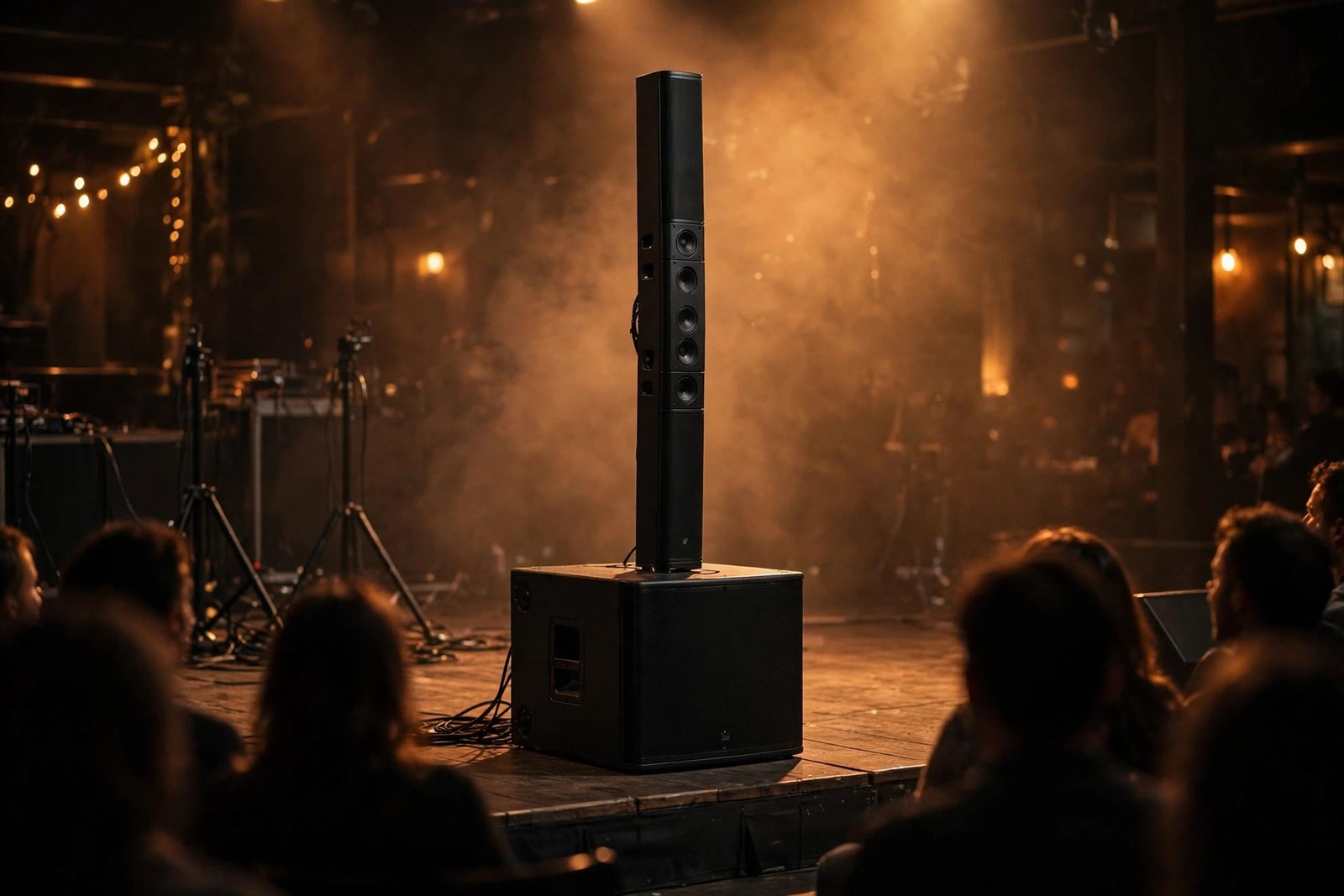
What Is the dB Technologies Ingenia IG2T?
dB Technologies is an Italian professional-audio manufacturer known for active loudspeakers used in live sound, installation, and portable PA. The Ingenia series is its line of column-array systems: tall, slim speaker columns that mount on a subwoofer or stand and project sound with wide horizontal coverage. The IG2T name places this model in that family as a compact, portable option aimed at users who need professional sound without a truck full of gear.
Column arrays work differently from conventional point-source speakers. Instead of one large woofer and horn, they use multiple small drivers stacked vertically. This arrangement shapes the sound into a cylindrical wavefront that carries farther with less volume drop over distance and reduces unwanted reflections from floors and ceilings. In plain terms: people at the back hear more clearly, and the room sounds more even, with less fiddling.
Because manufacturers revise models and regional availability differs, treat any specific numbers you see quoted online — wattage, maximum SPL, frequency response — as claims to verify against the official spec sheet for your exact unit. The guidance below focuses on the enduring practicalities of the category, which apply regardless of minor spec differences.
Key Features of Column Array Speakers Like the IG2T
Understanding the feature set helps you judge whether this type of system fits your needs — and how to compare it with alternatives.
Slim Column Design
The most visible trait is the form factor: a narrow column, often around a meter tall, that looks discreet next to a traditional 15-inch cabinet. This matters for weddings, corporate events, and houses of worship where appearance counts. The column typically breaks down into sections or mounts quickly on its base, keeping transport and setup simple for one person.
Built-In Amplification and DSP
Modern column arrays are active systems — amplifiers and digital signal processing are built in. The DSP handles crossover duties, equalization, limiting, and sometimes preset voicings for speech or music. Practically, this means fewer boxes, fewer cables, and protection circuitry that guards the drivers against accidental overload. You still need to set sensible gain levels, but the system does much of the heavy lifting.
Wide, Even Coverage Pattern
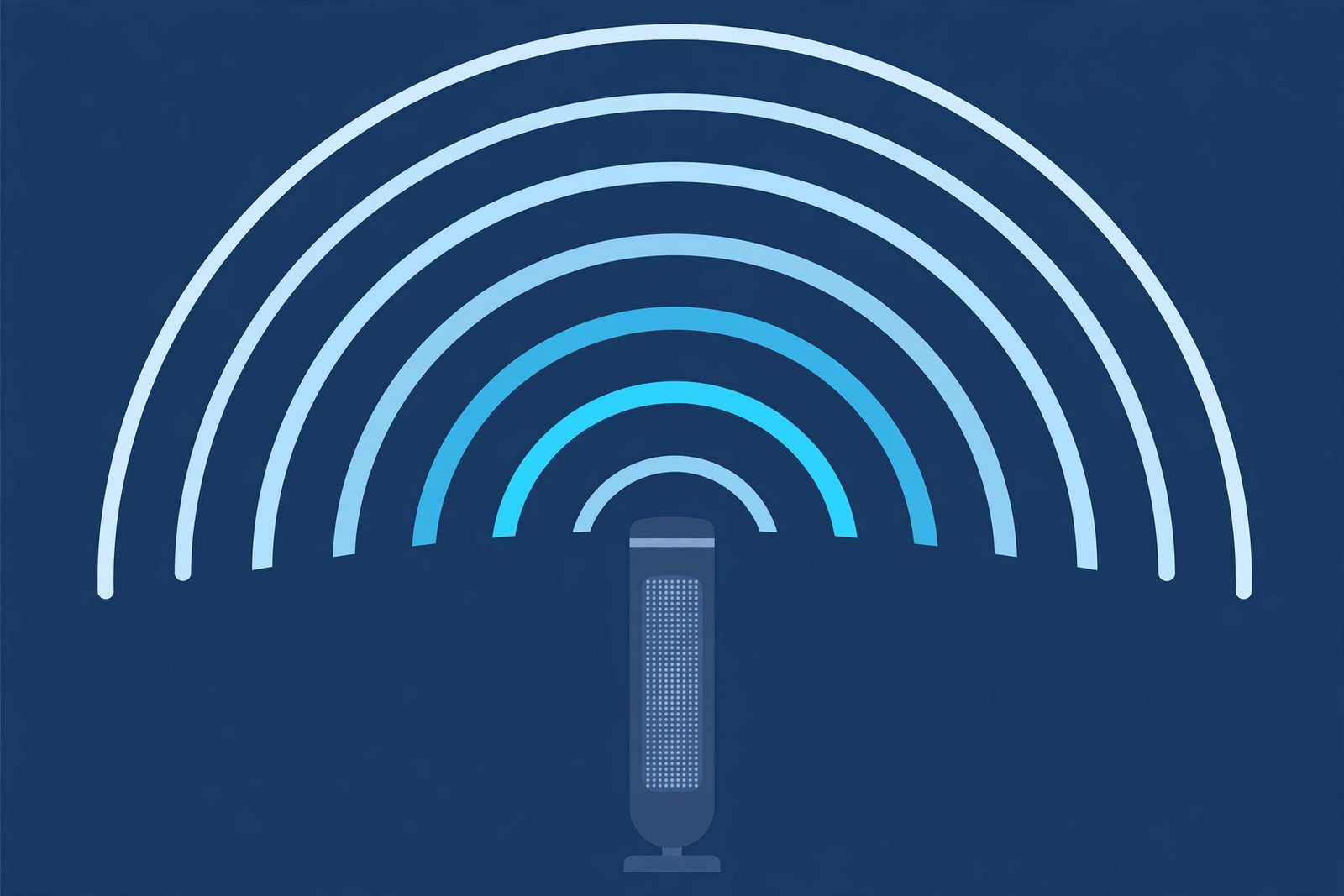
Column arrays are engineered for broad horizontal dispersion — often around 120 degrees — with controlled vertical coverage. The result is consistent sound across the audience area without the hot spots and dead zones common with conventional speakers on sticks. For speech-heavy events, this evenness is arguably more valuable than raw volume.
Portability and Fast Setup
A complete column system — column, sub/base, and a couple of cables — can often be carried in two trips and set up in minutes. For solo operators, mobile DJs, and presenters who set up their own gear, this is transformative. Compare that with hauling separate tops, subs, amps, and a rack of processing, and the appeal is obvious.
Expandable and Scalable
Many column systems allow linking two units for stereo or wider coverage, and adding subwoofers for bass-heavy music. This modularity means you can start with one column for small rooms and grow the rig as your gigs get bigger, rather than replacing everything.
Setting Up the IG2T: Step by Step
A methodical setup takes only a few minutes and prevents most common problems. Work through these steps in order the first few times until they become habit.
1. Unpack and Assemble
Lay out the components: column section(s), base or subwoofer, power cable, and signal cables. Connect the column to its base firmly — most systems use a multi-pin connector or a simple locking mount. Never force connections; if something does not seat easily, check alignment rather than pushing harder. For general tech setup habits that apply to all kinds of gear, our practical tips for tech users cover the mindset that prevents most setup headaches.
2. Position Before Powering
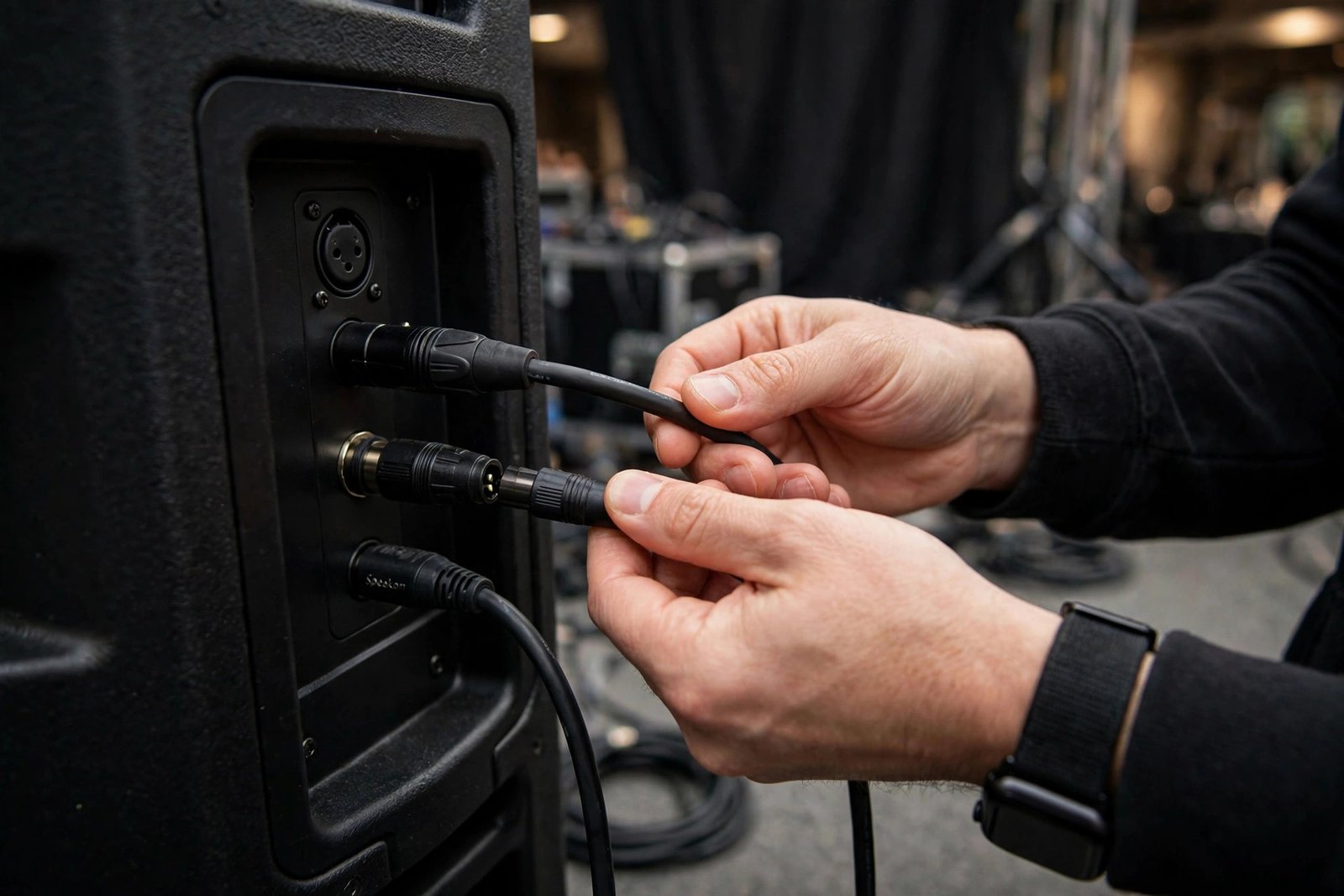
Place the system where it will live during the event before switching anything on. Aim the column at the audience area, keeping it clear of walls that could cause reflections. If you are using a subwoofer base, center placement often gives the most even bass. Run cables neatly along the floor where nobody will trip — gaff tape is a live-sound essential.
3. Connect Your Sources
Typical inputs include a mixer, a wireless microphone receiver, or a phone or laptop for playback. Use balanced cables (XLR or TRS) for longer runs to reject interference. Connect everything with the speaker’s volume down and the source at a moderate level; power on sources first, speaker last — and reverse the order when tearing down.
4. Set Gain Staging
Gain staging is simply setting levels so each stage of the chain is healthy: strong enough to be clean, not so hot that it distorts. Start with the speaker’s input gain low, bring up your mixer to a solid signal (peaks tickling the yellow, never pinned in the red), then raise the speaker until the room level is right. If you hear distortion, back off the earliest hot stage first. The built-in limiter is a safety net, not a mixing strategy — consistently hitting it means you need more rig, not more knob.
5. Choose the Right Preset
If the system offers voicing presets — speech, music, DJ, or similar — match the preset to your program material. Speech presets typically tame low-mid buildup for intelligibility; music presets open up the full range. Switching presets mid-event is fine if the program changes, but set levels again after switching since presets can alter overall loudness.
Placement Tips for the Best Performance
Where you put the speaker matters as much as which speaker you bought. These placement principles apply to nearly any column array.
- Elevate when possible: getting the column above head height — on its sub, a stand, or a stage — lets sound travel over the audience instead of being absorbed by the front row.
- Respect the coverage pattern: with wide horizontal dispersion, one column can often cover a surprisingly wide room from a central position. Avoid aiming it at reflective side walls.
- Mind the bass: placing a subwoofer near a wall or corner boosts low frequencies for free, but too much boundary reinforcement makes bass muddy. Start centered, then adjust by ear.
- Keep microphones behind the coverage: for speech events, position mics behind or well to the side of the column’s main throw to reduce feedback risk. Ringing out the system at low volume before the event helps.
- Outdoors, expect less: without walls to reinforce sound, outdoor events need more system than the same audience indoors. Wind and open space eat volume — plan headroom accordingly.
- Two units for stereo or width: for wider rooms, a pair of columns spaced apart covers more evenly than one unit pushed harder. Keep them equidistant from the audience center for a coherent image.
Performance Notes: What to Expect
Set realistic expectations and the IG2T-class system will impress you; expect it to defy physics and you will be disappointed. Here is an honest picture.
Speech and Presentations
This is the sweet spot. Column arrays excel at vocal intelligibility — conferences, lectures, ceremonies, and houses of worship are ideal use cases. A single column comfortably covers audiences of roughly 100 to 200 people in a typical indoor room, depending on ceiling height and ambient noise. Always verify coverage claims against real-world demos rather than marketing alone.
Live Music and Small Gigs
For acoustic acts, jazz combos, and background music, column systems sound refined and look professional. Full bands with drums and electric guitars will want subs added and possibly a second column; know the limits of a compact rig and scale honestly to the gig. Content creators should note that clean live audio also elevates video work — if you record your events, our guide to free video editing software pairs well with good capture practices.
DJ and Playback Events
For cocktail hours, ceremonies, and moderate-level DJ sets, a column plus sub delivers clean, punchy playback. Bass-heavy dance music at high volume is where compact columns reach their limits — the physics of small drivers only goes so far. Match the rig to the program, not the other way around.
Maintenance and Care
Professional speakers last for years with basic care. Transport the column in a padded bag or case — the drivers are the most damage-prone part. Coil cables loosely rather than wrapping them tightly around your elbow, which breaks conductors over time. Store the system in a dry place away from temperature extremes, and wipe down connectors occasionally to prevent corrosion. Before important events, do a quick sound check at home: play familiar music, listen for rattles or dead drivers, and confirm all inputs work. Five minutes of prevention beats troubleshooting in front of an audience.
Who Should Consider This Type of Speaker?
Column arrays suit a clear set of users: mobile DJs and event professionals who set up solo, presenters and trainers who need intelligible speech, houses of worship seeking discreet but capable sound, acoustic musicians, and small venues wanting installed-looking audio without permanent installation. They are less ideal for anyone needing extreme volume, deep sub-bass for large dance floors, or the specific character of traditional point-source stacks.
If you work in AV professionally — or want to — understanding systems like this is part of the toolkit. Our technology solutions professional guide describes the broader career landscape where live-sound and AV technology skills open doors, from corporate AV departments to event production companies.
Frequently Asked Questions
What is the dB Technologies Ingenia IG2T?
It is a column-array PA speaker in dB Technologies’ Ingenia line — a slim, portable active speaker system designed for live sound, presentations, and events. Confirm exact specifications against the manufacturer’s official documentation for your unit.
What is a column array speaker?
A speaker that stacks multiple small drivers vertically to project sound in a wide, even pattern. Column arrays offer consistent coverage over distance, reduced floor and ceiling reflections, and a discreet appearance compared with traditional speaker cabinets.
How many people can one column speaker cover?
It depends on the venue and program material, but a single compact column array typically handles roughly 100 to 200 people for speech and light music indoors. Larger rooms, outdoor events, or bass-heavy music call for additional units or subwoofers.
Do I need a subwoofer with the IG2T?
For speech and acoustic music, often not. For DJ work, bands, or any program with significant bass content, a subwoofer adds the low-end foundation a slim column cannot produce alone. Many users start with the column and add a sub as gigs demand it.
How do I avoid feedback with a column speaker?
Keep microphones behind the speaker’s main coverage area, use directional mics, set conservative gain levels, and ring out problem frequencies during sound check. Good placement prevents most feedback before it starts.
Can one person set up a column array system?
Yes — that is one of the main advantages. A typical setup involves mounting the column on its base, connecting power and one or two signal cables, and setting levels. Most users complete setup in under ten minutes with practice.
Is this guide affiliated with dB Technologies?
No. This is an independent informational guide with no affiliation to or endorsement from dB Technologies. For official specifications and support, consult the manufacturer’s official channels.
Conclusion
The dB Technologies Ingenia IG2T represents what makes column-array speakers compelling: professional, even coverage in a package one person can carry and set up in minutes. Success with any system in this class comes down to fundamentals — sensible gain staging, thoughtful placement, honest assessment of what the gig needs, and basic maintenance. Whether you are a mobile DJ, a presenter, a house-of-worship volunteer, or an AV professional, those habits will make the difference between a system that merely works and one that genuinely impresses. Start with the setup steps in this guide, verify the official specs for your exact model, and let your ears be the final judge.



Leave a Reply