

Automatic License Plate Recognition — usually shortened to ALPR — is one of the most widespread tracking technologies most people never notice. Small cameras mounted on police cars, street poles, toll gantries, and parking lots photograph thousands of license plates per hour, convert them to text with optical character recognition, and log each sighting with a time, date, and GPS location. The result is a detailed record of where vehicles have been, searchable in seconds.
This independent guide explains how ALPR technology and related smart device tracking systems work, who uses them, what the data is used for, and where the serious privacy debates lie. Whether your interest is public safety, civil liberties, or simply understanding the sensors around you, this article gives you the full picture without taking sides.
What Is ALPR Technology?
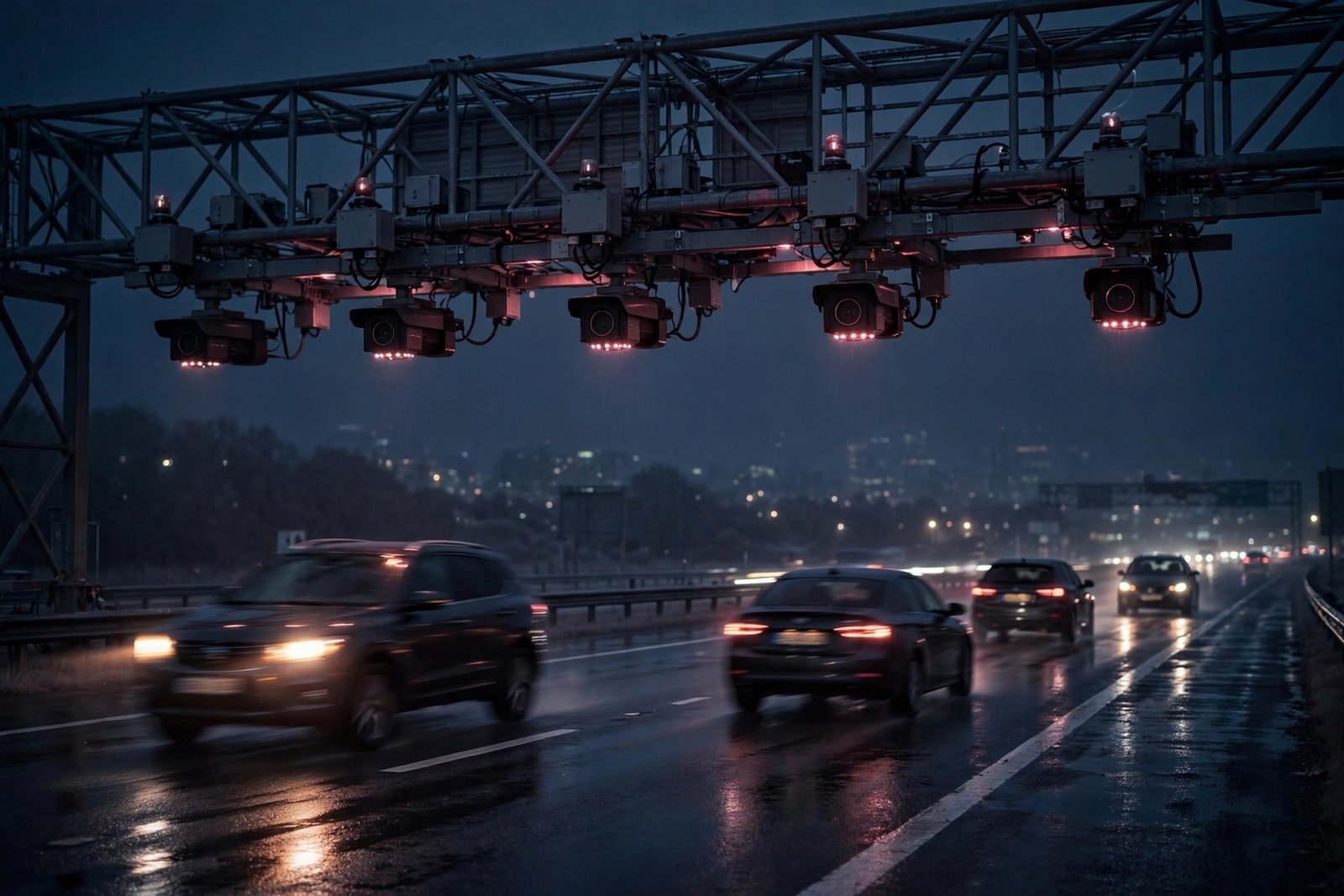
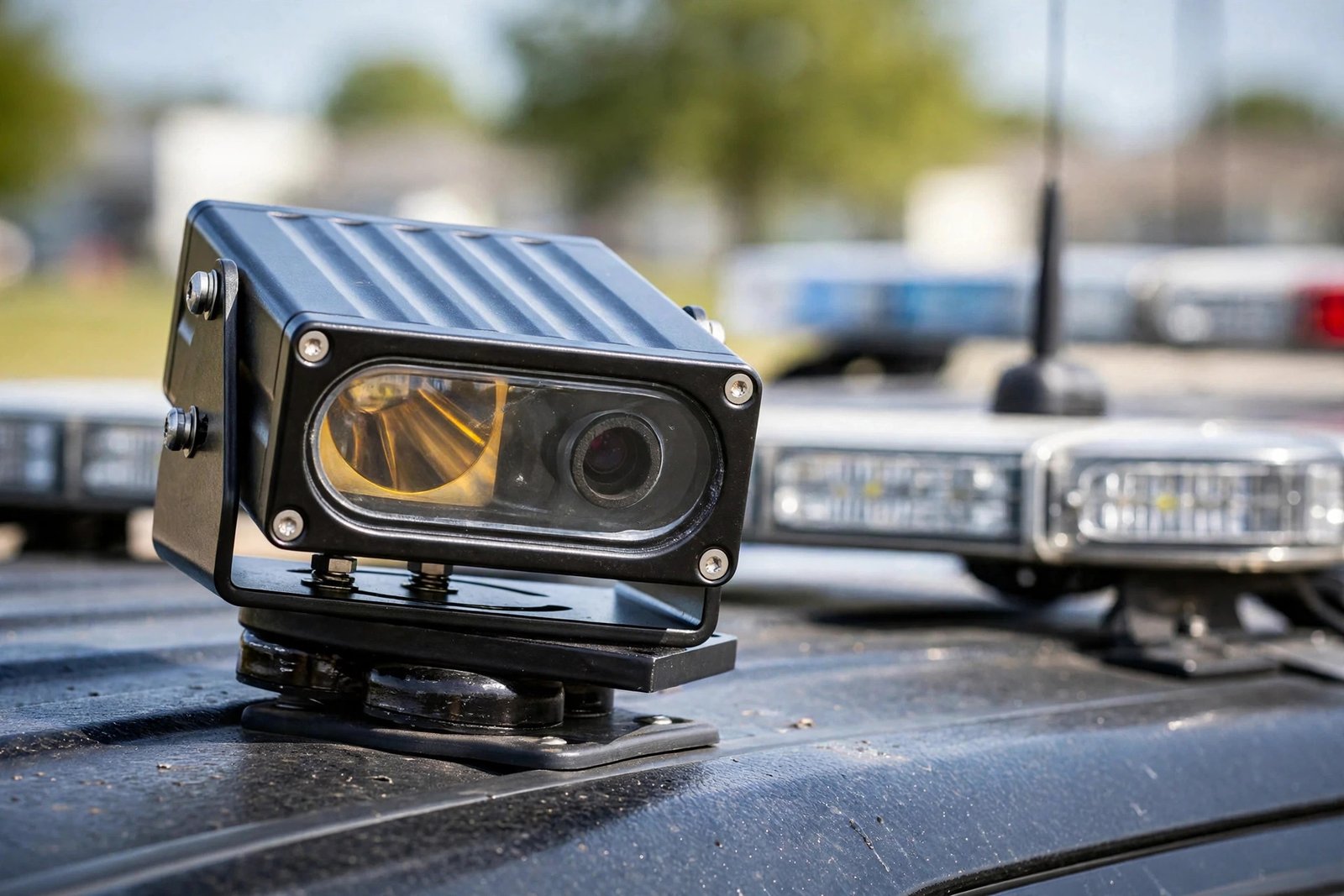
ALPR systems combine high-speed cameras, infrared illumination for night capture, optical character recognition (OCR) software, and database matching. When a vehicle passes, the camera captures the plate, the software reads the characters, and the system instantly compares the result against ‘hot lists’ — databases of plates of interest, such as stolen vehicles, vehicles linked to warrants, or unpaid toll accounts.
Modern systems are remarkably capable. A single mobile unit can scan well over a thousand plates per minute while driving at normal speeds, in daylight or darkness, in rain or snow. Fixed installations monitor intersections, highways, and parking facilities around the clock. The technology has matured from a niche law enforcement tool into a standard feature of traffic management and commercial parking operations.
How the Recognition Process Works
The process has four stages. First, image capture: specialized cameras photograph plates, often using infrared light that makes reflective plate characters stand out while remaining invisible to drivers. Second, localization: software identifies the plate region within the image. Third, character recognition: OCR converts the plate image into text, with confidence scoring for each character. Fourth, matching and logging: the text is checked against hot lists for instant alerts, and — critically — the sighting is logged regardless of whether it matched anything.
That last point is the heart of the privacy debate. Even when no alert fires, the system typically records the plate number, a photograph, the location, and the timestamp. Over time, these logs build a comprehensive history of a vehicle’s movements.
Where ALPR and Smart Device Tracking Are Used
Law Enforcement
Police agencies were the earliest adopters and remain the heaviest users. Documented uses include recovering stolen vehicles, locating missing persons (including AMBER alert cases), identifying vehicles associated with serious crimes, and enforcing toll and red-light violations. Supporters argue ALPR is one of the most effective force multipliers available — a single patrol car can check more plates in a shift than an officer could manually verify in a year.
Transportation and Tolling
Electronic toll collection is ALPR’s most familiar civilian application. Systems photograph plates to bill drivers without requiring transponders or toll booths, speeding traffic and reducing infrastructure costs. Similar technology manages congestion-zone charging in several major cities worldwide.
Parking Management
Commercial parking operators use ALPR to automate entry, exit, and payment, and to enforce time limits. Enforcement vehicles equipped with ALPR patrol streets far more efficiently than officers on foot, which is why many cities have adopted the technology for parking enforcement.
Private and Commercial Uses
Beyond government, ALPR serves repossession companies locating vehicles, private investigators, gated communities managing access, and retailers analyzing customer traffic patterns. Data brokers also aggregate ALPR data from multiple sources and sell access to insurers, lenders, and other commercial buyers — a practice that receives far less public scrutiny than police use.
Smart Device Tracking: The Bigger Ecosystem
ALPR does not operate in isolation. It is one node in a growing network of smart device tracking technologies that together can paint a detailed picture of movement and behavior.
Connected Vehicles and Telematics
Modern cars are rolling sensor platforms. Built-in telematics report location, speed, and diagnostics to manufacturers and service providers, while insurance ‘pay-how-you-drive’ programs use similar data to set premiums. As vehicle technology increasingly shapes the driving experience, the line between convenience features and surveillance infrastructure keeps blurring.
Mobile Devices and Location Data
Smartphones continuously generate location records through GPS, Wi-Fi, Bluetooth, and cell-tower connections. Data brokers purchase this information from app developers and resell it, creating commercial location datasets that parallel what ALPR builds for vehicles. The regulatory landscape for this data is evolving, with several jurisdictions introducing stricter consent requirements. The same data-caution habits apply in everyday digital life — see our guide on how to check whether online shopping is safe for practical steps to protect your personal information.
Smart City Sensors
Municipalities deploy sensor networks for traffic management, air quality monitoring, and public safety. Some of these systems incorporate cameras with analytics capabilities. The civic benefits — smoother traffic, faster emergency response — are real, but so are the questions about oversight, as communities discover when they examine how local technology decisions get made, a topic explored in our guide to meeting minutes and public records technology.
Privacy Concerns and Civil Liberties Debates
ALPR’s effectiveness is not seriously disputed; the controversy is about scope, retention, and oversight. Understanding the main concerns helps you evaluate policies in your own community.
Mass Location Tracking of Innocent People
The core objection is that ALPR collects location data on everyone, not just suspects. Civil liberties organizations argue this constitutes mass surveillance: a system that logs where law-abiding citizens drive, day after day, creates exactly the kind of comprehensive movement record that traditionally required a warrant to obtain.
Data Retention Periods
How long sightings are stored varies enormously. Some agencies delete non-hit data within days or weeks; others retain it for years; commercial aggregators may keep it indefinitely. Longer retention multiplies both the investigative value and the privacy risk — a multi-year database can reveal patterns of life: where someone worships, what medical facilities they visit, which political events they attend.
Data Sharing and Security
ALPR databases are frequently shared across agencies and jurisdictions, and breaches have occurred. Shared systems also raise the prospect of function creep — data collected for traffic enforcement being repurposed for immigration enforcement or other uses the public never approved.
Accuracy and Misidentification
OCR is not perfect. Misread plates have led to wrongful stops, and hot-list errors — outdated or incorrect entries — have resulted in armed confrontations with innocent drivers. Agencies with strong verification procedures mitigate this risk; those without them invite it.
Disproportionate Impact
Studies of ALPR deployment have found cameras concentrated in certain neighborhoods, raising concerns about disproportionate surveillance of specific communities. Where cameras are placed, and who decides, are legitimate subjects of public oversight.
Legal and Regulatory Landscape
Regulation of ALPR is a patchwork that varies dramatically by jurisdiction — and in many places, it barely exists.
Existing Legal Frameworks
In the United States, courts have generally held that there is no reasonable expectation of privacy in a license plate displayed in public, which limits Fourth Amendment protections. However, the Supreme Court’s recognition in Carpenter v. United States (2018) that long-term location tracking implicates privacy interests has opened new legal arguments, and several state courts are actively considering ALPR-specific challenges.
State and Local Rules
A growing number of states and cities have enacted ALPR-specific rules: limits on retention periods, requirements for usage policies, audit mandates, and in some cases outright bans on certain uses. Because these rules differ so widely, the protections available to you depend heavily on where you live — check your state and local ordinances for specifics.
International Approaches
European data protection law treats license plate data as personal data, subjecting ALPR systems to principles like purpose limitation, data minimization, and defined retention periods. Several other countries are developing similar frameworks. The international trend is clearly toward more regulation, not less.
What Good Oversight Looks Like
Privacy advocates and many law enforcement leaders agree on basic safeguards: publicly documented usage policies, short retention periods for non-hit data, regular audits, strict access controls, prohibitions on sharing with agencies outside defined purposes, and community input on deployment decisions. When evaluating your local agency’s practices, these are the benchmarks to look for.
How ALPR Intersects With Public Safety Technology
ALPR is increasingly integrated with other public safety tools: gunshot detection, predictive policing software, body cameras, and real-time crime centers that fuse multiple data feeds. Integration multiplies capabilities — and multiplies the oversight questions. Communities weighing these systems face genuine trade-offs between safety benefits and privacy costs, and the quality of public debate depends on accurate information about what the technology actually does.
Similar trade-offs appear wherever technology meets public safety, from police warnings about AI-powered fraud to debates over facial recognition. The pattern is consistent: powerful tools, legitimate uses, and a persistent need for transparent rules.
What You Can Do: Practical Steps
- Learn your local policies. Many agencies publish ALPR usage policies online. If yours does not, a public records request can often obtain it.
- Attend public meetings. Surveillance technology acquisitions are frequently approved at city council or county commission meetings with minimal public comment — showing up matters.
- Know your data rights. Depending on your jurisdiction, you may be able to request records of what data about your vehicle is stored and with whom it has been shared.
- Support sensible legislation. Retention limits, audit requirements, and sharing restrictions are concrete, achievable reforms in most places.
- Stay informed. ALPR capabilities and deployments change quickly; periodic attention beats one-time outrage.
The Future of ALPR and Vehicle Tracking
ALPR capabilities continue to expand. Higher-resolution cameras, faster processors, and better OCR algorithms are steadily improving read rates in difficult conditions. Integration with artificial intelligence is adding new dimensions: some systems now classify vehicle make, model, and color, or flag behavioral patterns such as repeated circling of a block. Meanwhile, the rise of connected and autonomous vehicles promises an even richer data stream, as cars themselves report precise location and telemetry.
Regulation is racing to catch up. Expect more jurisdictions to adopt retention limits and audit requirements in the coming years, following the pattern already visible in several states and European countries. Technology companies are also entering the conversation, as automakers face questions about what vehicle data they collect and with whom they share it. The trajectory is clear: tracking capabilities will keep growing, and the societies that manage them best will be those that build oversight at the same pace as deployment.

Frequently Asked Questions
What does ALPR stand for and what does it do?
ALPR stands for Automatic License Plate Recognition. It uses cameras and software to photograph license plates, convert them to text, check them against databases of interest, and log each sighting with location and time — processing thousands of plates per hour.
Is ALPR tracking legal?
In most jurisdictions, yes, though the details vary widely. Courts have generally held there is no expectation of privacy in a publicly displayed plate, but retention limits, sharing rules, and oversight requirements differ by state, city, and country. Check your local laws for specifics.
How long is ALPR data kept?
It varies enormously: some agencies delete non-matching sightings within days, others retain data for years, and commercial aggregators may keep it indefinitely. Retention policy is one of the most important things to check in your community.
Can ALPR make mistakes?
Yes. Character recognition errors and outdated hot-list entries have led to wrongful traffic stops. Agencies with verification procedures — confirming a hit before acting on it — significantly reduce this risk.
Who has access to ALPR data besides police?
Depending on the system, data may be shared with other government agencies, and commercial ALPR data is sold by data brokers to insurers, lenders, repossession companies, and other private buyers.
How is ALPR different from speed cameras or toll cameras?
Speed and toll cameras typically capture only violations or transactions. ALPR systems log every plate they see — including those of drivers doing nothing wrong — which is why they raise broader privacy questions.
What can I do if I am concerned about ALPR in my area?
Research your local agency’s published policies, attend public meetings where surveillance technology is discussed, exercise any data-access rights your jurisdiction provides, and support legislation setting retention limits and audit requirements.
Conclusion
ALPR technology sits at the intersection of genuine public safety benefits and legitimate privacy concerns. It recovers stolen cars, finds missing persons, and makes tolling and parking more efficient — while simultaneously building detailed movement records on millions of people who have done nothing wrong. Neither the utopian nor the dystopian framing captures the full reality. What matters is governance: clear policies, short retention periods, real oversight, and informed public debate. The technology will keep spreading; whether it spreads with accountability is a decision communities make — or fail to make — right now.


Leave a Reply