

The impact of car technology on driving has never been greater. Modern vehicles are packed with systems that watch the road, warn of danger, park themselves, and keep drivers connected — features that would have seemed like science fiction a generation ago. Whether you are buying your next car or simply trying to understand the dashboard of the one you already own, it helps to know what these technologies do, where they genuinely help, and where they still need a careful human behind the wheel.
This guide walks through the main ways car technology is changing the driving experience: safety systems, convenience and connectivity features, the downsides worth knowing about, and what the future may hold.

What “Car Technology” Means Today
When people talk about car technology, they usually mean the electronic systems built into modern vehicles. These fall into a few broad groups. Driver-assistance systems help with the physical task of driving — keeping the car in its lane, maintaining a safe distance from the vehicle ahead, or braking automatically in an emergency. Infotainment and connectivity systems handle navigation, music, phone calls, and increasingly, internet-connected services. And behind the scenes, engine and efficiency technology — from hybrid powertrains to start-stop systems — quietly changes how cars use fuel.
It is worth noting that these systems vary enormously between models and price points. A basic new car might include only a reversing camera and Bluetooth, while a premium model can offer dozens of sensors, cameras, and radar units working together. When comparing cars, the technology list deserves as much attention as horsepower or fuel economy.
Safety: How Technology Helps Prevent Crashes
Safety is where car technology has arguably made the biggest difference. According to road-safety researchers, many of the most common crash types — rear-end collisions, lane-drift incidents, and parking bumps — can be reduced by systems that never get tired or distracted.
Automatic Emergency Braking
Automatic emergency braking (AEB) uses cameras, radar, or both to detect an imminent collision with another vehicle, a pedestrian, or a cyclist, and applies the brakes if the driver does not react in time. Many systems first give a warning — a flashing light, a sound, or a tug on the seatbelt — before intervening. Studies of real-world crash data have consistently linked AEB to meaningful reductions in rear-end collisions, which is why it is now standard or widely available on most new cars in many markets.
Lane Keeping and Blind-Spot Assistance
Lane-departure warning alerts you if the car starts drifting out of its lane without a turn signal; lane-keeping assist goes further and gently steers the car back. Blind-spot monitoring watches the areas beside and behind the car that mirrors miss, warning you — usually with a light in the side mirror — if another vehicle is there when you signal a lane change. Some systems will even intervene to prevent the manoeuvre. These are especially valuable on motorways and in heavy traffic, where a moment’s inattention is most costly.
Adaptive Cruise Control and Parking Aids
Adaptive cruise control maintains a set speed like traditional cruise control, but also keeps a safe following distance by slowing down and speeding up with traffic. Parking sensors, reversing cameras, and in some models fully automated parking functions take the stress out of tight spaces and reduce low-speed bumps — among the most common and annoying types of damage.
Convenience and Connectivity Behind the Wheel
Beyond safety, technology has transformed what it feels like to spend time in a car. Large touchscreens have replaced many physical buttons, and voice control lets drivers adjust navigation, climate, and music without taking their hands off the wheel.
Infotainment and Smartphone Integration
Systems such as Apple CarPlay and Android Auto mirror key phone functions — navigation, messaging, music, and calls — onto the car’s display in a simplified, driving-friendly layout. This is a genuine safety improvement over handling a phone directly, though it is still a source of distraction if used carelessly. Built-in navigation with live traffic data has largely replaced standalone sat-nav units, and many cars now receive over-the-air software updates that add features or fix issues without a dealer visit.
Connected Services
Many newer cars include an embedded data connection that enables remote features: checking fuel or charge level from a phone app, pre-heating the cabin on a cold morning, locating the car in a large car park, or receiving maintenance reminders. Some manufacturers offer stolen-vehicle tracking and automatic emergency calling, where the car itself contacts emergency services after a serious crash — a feature that can save lives when occupants cannot call for help.
For readers interested in how the apps behind these services are built, our guide to mobile app development tips explains what goes into creating reliable, user-friendly applications — including the kind that power connected-car features.
The Downsides Drivers Should Know About
Car technology is not all upside. Understanding the limitations helps you use the helpful parts without falling into the traps.
Distraction Has New Forms
Ironically, some technology designed for convenience can become a distraction. Large touchscreens with layered menus can demand more attention than the simple knobs they replaced. Studies of driver behaviour have found that complex infotainment tasks can take a driver’s eyes off the road for dangerously long stretches. The safest approach is to set up navigation, music, and climate before you start moving, and to use voice commands rather than tapping through menus while driving.
Over-Reliance and Skill Fade
Driver-assistance systems are aids, not replacements for the driver. They can be confused by faded lane markings, heavy rain, snow, or unusual road layouts. Drivers who grow too dependent may react more slowly when the system reaches its limits or disengages without warning. The golden rule from safety experts: stay engaged, keep your hands on the wheel, and treat every assistance feature as a backup to your own attention — never the other way around.
Cost, Complexity, and Repairs
More technology means more that can go wrong — and more expensive repairs when it does. A cracked windscreen on a car with camera-based safety systems may require costly recalibration, not just a glass replacement. Sensors embedded in bumpers make even minor parking bumps pricier to fix. When budgeting for a car, it is sensible to look into insurance and typical repair costs for the specific assistance features fitted, not just the purchase price.
Data Privacy Considerations
Connected cars collect significant data: location history, driving style, and sometimes cabin audio for voice assistants. It is worth checking what your car’s manufacturer collects, how long it is kept, and what privacy controls are available. If you are the kind of person who enjoys understanding the technology you use every day, our practical tips for technology users include habits for managing privacy settings across devices — cars included.
Electric, Hybrid, and the Road to Automation
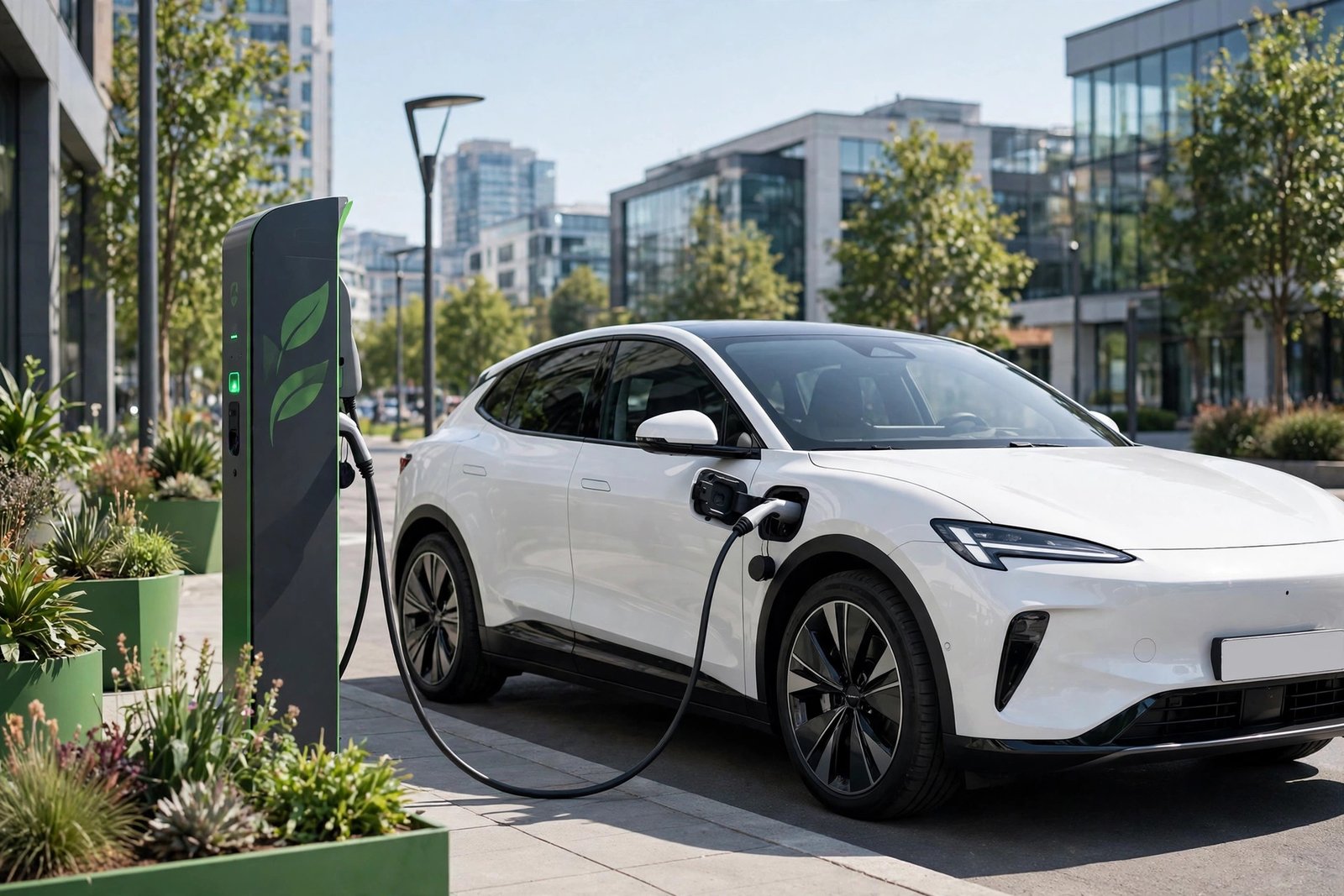
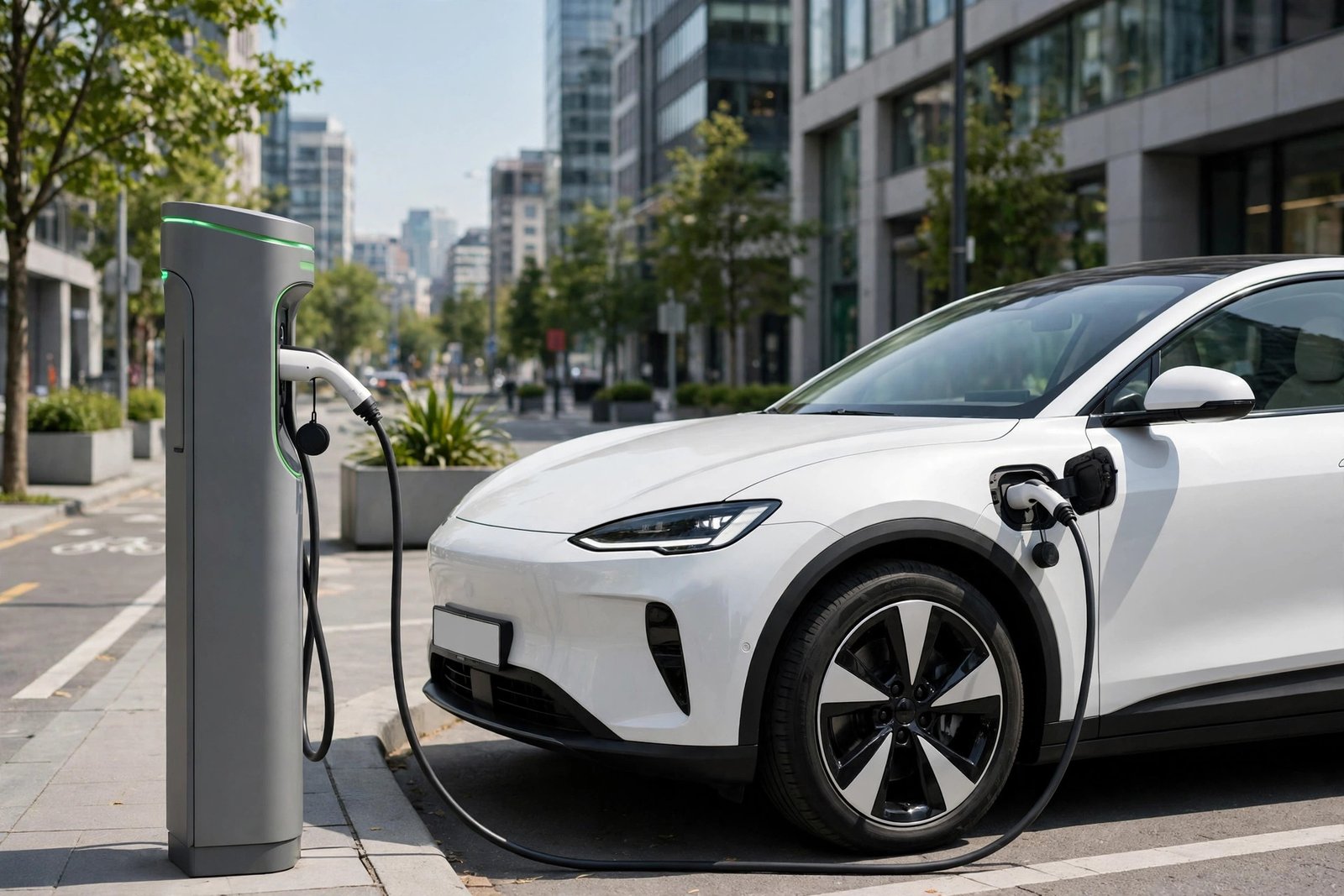
Two bigger shifts are reshaping driving beyond the dashboard. Electrification — battery-electric and hybrid powertrains — changes refuelling into recharging, brings near-silent running, and in many cases delivers instant, smooth acceleration. For daily commuting, many drivers find electric cars simpler and cheaper to run, though long-distance travel still requires journey planning around charging stops.
Full self-driving remains the industry’s long-term ambition, but the reality today is more modest: the most advanced consumer systems still require an attentive driver ready to take over. True driverless operation exists only in limited, geofenced trials and robotaxi services in a handful of cities. A realistic expectation for the coming years is better assistance — smoother, more capable, and available in more situations — rather than cars that drive themselves everywhere.
Technology is also changing how roads themselves are managed. Enforcement and traffic-management tools such as ALPR smart device tracking show how cameras and software are used to monitor vehicles for safety and security purposes — another reminder that the modern driving environment is increasingly digital.
Practical Tips for Getting the Most Out of Car Tech
Technology only helps if you actually use it well. Many drivers never open half the features they paid for, while others misunderstand what their assistance systems can do. A few deliberate habits will help you get the full value — and avoid the common pitfalls.
- Learn your systems before you need them. Spend fifteen minutes with the owner’s manual or the manufacturer’s tutorial videos to understand what each assistance feature does — and what it does not do.
- Keep sensors and cameras clean. Dirt, snow, or ice on radar sensors and cameras can disable safety systems without an obvious warning.
- Customise warning sensitivity. Many cars let you adjust how early collision or lane warnings trigger. Set them to a level that helps without annoying you into switching them off.
- Update software when prompted. Over-the-air updates can improve assistance features and fix bugs — install them as you would phone updates.
- Do not retrofit blindly. Aftermarket gadgets that promise self-driving-like features rarely meet the safety standards of factory systems and can interfere with them.
- Test assistance features in safe conditions first. Try adaptive cruise control or lane-keeping on a quiet, familiar road before relying on them in heavy traffic.
Frequently Asked Questions
Has car technology made driving safer overall?
Evidence suggests yes, particularly for specific crash types. Automatic emergency braking is linked to fewer rear-end collisions, and blind-spot and lane-keeping systems help with common motorway incidents. However, the benefits depend on drivers using the systems correctly and staying attentive — technology assists the driver; it does not replace them.
What is the difference between driver assistance and self-driving?
Driver-assistance systems (like adaptive cruise control or lane-keeping assist) support the driver, who must remain engaged and ready to take over at all times. Self-driving — where no driver attention is needed — is not available in consumer cars today; the most advanced systems on sale still require supervision.
Do I need to pay extra for safety technology?
It depends on the market and model. Features like automatic emergency braking and reversing cameras are now standard on many new cars, while more advanced systems (360-degree cameras, automated parking, highway pilot functions) are often optional extras or limited to higher trim levels. Always check the exact specification of the car you are considering.
Can car technology be distracting?
Yes. Complex touchscreens and layered menus can take attention away from the road. Safety researchers recommend setting up navigation and media before driving, using voice commands where possible, and keeping interactions with screens brief. The safest screen is one you barely need to touch while moving.
How does car technology affect insurance and repair costs?
Safety technology can reduce crash frequency, which insurers may reward — but repairs involving sensors, cameras, and recalibration tend to cost more. A minor bumper repair on a sensor-equipped car can be several times pricier than on an older model. It is worth comparing insurance quotes and asking about typical repair costs before buying.
Will my next car drive itself?
Not fully. Expect increasingly capable assistance — better adaptive cruise control, smarter parking, improved night vision — but the driver will remain responsible for the foreseeable future. Fully driverless cars remain limited to small-scale trials in select areas.
What data does my connected car collect?
Connected cars can record location history, driving behaviour, and diagnostics, and some process cabin audio for voice assistants. Check your manufacturer’s privacy policy and in-car privacy settings to see what is collected and what controls you have. You can usually limit data sharing, though some connected features may then be unavailable.
Conclusion
Car technology has fundamentally changed driving — mostly for the better. Assistance systems watch for dangers humans miss, connectivity makes journeys smoother, and electrification is rewriting what powers the trip. The drivers who benefit most are not the ones with the longest feature list, but the ones who understand what their car’s technology can and cannot do.
Stay curious, stay engaged behind the wheel, and treat every new system as a co-pilot rather than an autopilot. Used wisely, today’s car technology makes driving safer, easier, and more enjoyable than it has ever been.



Leave a Reply