

Whether you call it article submission, guest posting, or an uploadarticle platform, the idea behind these services is the same: a website lets outside writers upload articles, and publishes the ones that meet its standards. Writers use such platforms to share knowledge, build an audience, and earn visibility for their work or business; publishers use them to keep their sites supplied with fresh content. If you have never submitted an article before, the process can look confusing from the outside — accounts, editors, formatting rules, review queues. This guide explains how article upload platforms work step by step, the main types you will meet, what editors look for, and the cautions every writer should know before uploading. It is a general informational guide about the uploadarticle process, not a recommendation of any single platform.
The word “uploadarticle” itself appears in searches and in the names of tools and sites connected with this process. Whatever the exact service, the underlying workflow is remarkably consistent across the web, and learning it once prepares you for almost any platform you choose.

What Is an Article Upload Platform?
An article upload platform is a website that accepts written content from registered contributors and publishes it under editorial rules. The platform provides the audience, the publishing system, and usually a set of guidelines; the writer provides the article. Some platforms publish almost everything that meets basic standards, while others review every submission and reject a large share of what they receive.
These platforms grew out of the early article directories of the 2000s, which collected how-to and informational articles from thousands of authors. Today’s versions range from open self-publishing services, where your article appears almost immediately, to curated magazines that treat submissions like a traditional editorial pipeline. Many general blogs also accept contributions — the multi-topic magazine described in our brumeblog com overview is an example of the kind of publication that may work with outside writers.
Types of Article Upload Platforms
Open Self-Publishing Platforms
These services let you create an account and publish with little or no pre-review. They are the fastest route to a live article and useful for building a public portfolio. The trade-off is that quality varies widely across the site, so your work sits alongside everything else that was uploaded that day.
Curated Blogs and Magazines
Curated publications accept pitches or full submissions and review them before publishing. Approval is slower and rejection is common, but a published article carries more credibility because an editor chose it. Most established blogs in any niche work this way.
Article Directories and Content Hubs
Directories organize submitted articles by category and often allow a short author bio with a link. They are built for discovery: readers browse categories, and writers gain exposure. Quality control ranges from light moderation to full review, depending on the directory.
Community and Wiki-Style Platforms
Some platforms let users contribute and edit knowledge-style pages collaboratively. The process resembles uploading an article, but the content belongs to a shared, editable commons rather than a fixed author page. Our guide to pushwiki com looks at one example of this wiki-flavored approach.
How the Upload Process Works, Step by Step
- Create an account. Registration usually asks for an email, a username, and a display name. Some platforms verify email before allowing submissions.
- Read the guidelines. Word-count ranges, allowed topics, link rules, and formatting requirements live here. Skipping this step is the most common cause of rejection.
- Prepare your article. Write or paste your text into the editor, add a headline, subheadings, and any images you are permitted to use. Many platforms have a built-in editor similar to a simplified word processor.
- Choose a category and tags. Correct categorization determines where your article appears and who finds it. Pick the closest category rather than the most popular one.
- Add author details. A short bio and, where allowed, a link to your website or profile. Follow the platform’s link rules exactly — extra promotional links are a frequent rejection reason.
- Submit for review. On curated platforms the article enters a queue. Review can take hours or weeks, and editors may approve, reject, or return the article with requested changes.
- Publication and aftercare. Once live, share the article through your own channels, respond to comments if the platform supports them, and correct any errors through the platform’s editing process.
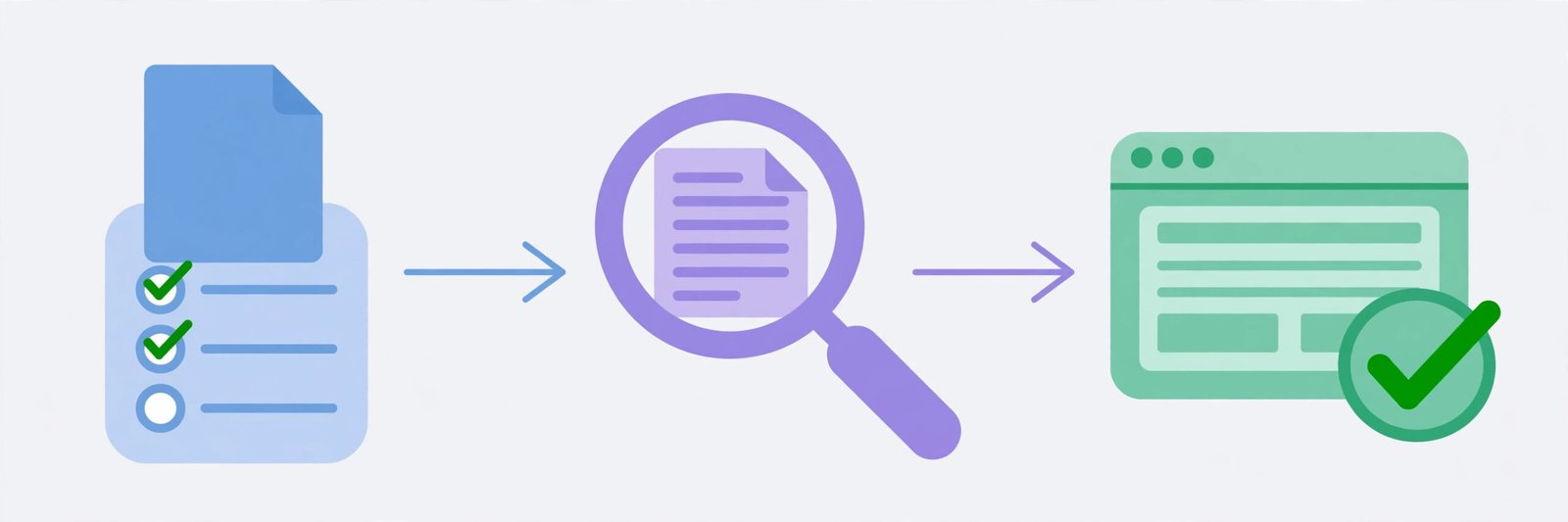
What Editors Look For
Editors on upload platforms reject articles for predictable reasons. Understanding them raises your acceptance rate on any service:
- Originality. The article must be your own work, not copied or lightly rewritten from another site. Platforms commonly run plagiarism checks, and duplicate submissions damage your account.
- Genuine usefulness. Articles written to answer a real question get approved; thin articles written only to place a link get rejected.
- Readable structure. A clear headline, short paragraphs, subheadings, and lists make an article easy to review and easy to read.
- Correct language. Basic grammar and spelling matter. A quick proofread before submitting is the cheapest improvement you can make.
- Rule compliance. Topic fit, word count, image rights, and link limits are checked first, before quality is even considered.
Benefits of Using Article Upload Platforms
For writers, the benefits are reach and practice. A platform with an existing audience puts your work in front of readers you could not reach on a new personal blog, and regular submission builds both a portfolio and a writing habit. For businesses and professionals, published articles demonstrate expertise in public, support a content strategy, and create a track record that clients and employers can find. For readers, the benefit is variety: one site can host many voices and subjects, in the same way general publishing platforms like the one in our uploadwords.com USA guide gather contributions in one place.
Cautions Every Writer Should Know
- Read the terms before uploading. Some platforms take a broad license to reuse your content. Know what rights you are granting and whether you can republish or remove the article later.
- Do not submit the same article everywhere. Duplicate content performs poorly in search and can violate platform rules. Write a fresh version for each outlet.
- Beware of pay-to-publish schemes with no standards. A platform that publishes anything for a fee, with no review at all, offers little credibility and may sit in a low-quality neighborhood of the web.
- Protect your accounts. Use a unique password for each platform and be cautious with services that ask for unnecessary personal information at signup.
- Check where your article lands. After publication, view the live page. Confirm your name, bio, and any allowed link appear as agreed, and that the article was not altered in ways that change its meaning.
A Realistic Note on Visibility and Search
Many writers upload articles hoping for search-engine visibility or a valuable link, so it is worth being realistic. A single article on a shared platform rarely transforms a website’s rankings, and search engines are skilled at discounting links placed mainly for manipulation. What publishing on platforms reliably delivers is more modest and more durable: a public body of work under your name, referral readers who genuinely care about your topic, and credibility you can point to. Writers who aim at those goals choose better platforms, write better articles, and are rarely disappointed. Writers who chase only links tend to produce the thin, promotional submissions that editors reject — and that readers ignore. The quality-first approach is not just more ethical; it is the only one that consistently works.
How to Choose the Right Platform
Match the platform to your goal. For a portfolio and fast practice, an open platform works. For credibility in a niche, a curated blog in that niche is worth the slower review. Before submitting anywhere, spend ten minutes as a reader: Are the published articles genuinely good? Are bylines and dates visible? Does the site look maintained? Would you be comfortable showing this page to a client or employer? If the answers are yes, the platform deserves your article; if not, your work is better spent elsewhere.
Formatting Your Article Before You Upload
Good formatting is decided before you ever press submit. Start with the headline: it should state the article’s subject plainly and match what the text actually delivers, because editors and readers alike distrust headlines that overpromise. Break the body into short paragraphs of two to four sentences, and use subheadings every few paragraphs so the structure is visible at a glance. Numbered and bulleted lists suit steps, reasons, and checklists — exactly the material most how-to articles contain.
Images deserve the same care. Use only images you have the right to publish, whether they are your own, properly licensed, or generated for the article, and give each one a descriptive file name and alt text; many upload editors include fields for both. Keep links few and purposeful: link to sources a reader would genuinely want, and follow the platform’s rules about self-promotional links to the letter. Finally, read the whole article aloud once. Awkward sentences that survive silent reading rarely survive being spoken, and editors notice the difference.
What Happens After Publication
Publication is the midpoint of the process, not the end. Once your article is live, check the page as a reader would: confirm the headline, formatting, images, byline, and bio all survived the platform’s system intact, and report any mangled formatting through the platform’s correction route. Then give the article its best chance — share it with your own audience, mention it where it is genuinely relevant, and answer comments if the platform allows them. Thoughtful responses build the reputation that makes future submissions easier.
Over time, keep simple records: where you published, when, under what terms, and how each piece performed if the platform shows statistics. This log prevents accidental duplicate submissions, tells you which platforms send you real readers, and shows editors a consistent body of work when you approach a more selective publication. Writers who treat uploading as a system rather than a one-off event get steadily better results from the same effort.
Conclusion
An uploadarticle platform is, at its core, a simple exchange: writers supply articles, platforms supply audience and editorial structure. Learn the standard workflow — account, guidelines, preparation, category, submission, review — and it will serve you on nearly every service you meet. Write original, useful, well-structured articles, respect each platform’s rules, and read the terms before you upload. Do that, and article platforms become what they should be: a practical way to publish, learn, and be read. Start with one platform that matches your goal, publish consistently, and let the body of work — not any single upload — carry your reputation as a writer.
Frequently Asked Questions
What does “uploadarticle” mean?
It refers to the process — and the platforms and tools built around it — of uploading a written article to a website for publication. A writer registers, prepares the article in the platform’s editor, chooses a category, and submits it for review or immediate publication, depending on the service.
Are article upload platforms free to use?
Many are free for basic submissions, while others charge for certain placements, faster review, or premium features. Free and paid options both exist; what matters is whether the platform reviews content and maintains standards, not simply whether it charges. A free platform with real editors will usually serve a serious writer better than an expensive one with none.
How long does review take after I upload an article?
It varies widely. Open self-publishing platforms may show your article within minutes. Curated blogs and magazines can take days or weeks, and may return the article with edit requests instead of a simple yes or no.
Can I publish the same article on several platforms?
It is not advisable. Duplicate content can break platform rules, weaken search performance, and in some cases violate the license terms you agreed to at upload. Write an original version for each outlet instead.
Why was my uploaded article rejected?
The most common reasons are copied or thin content, wrong category, too many promotional links, poor formatting, and ignoring the stated guidelines. Compare your submission against the platform’s rules, fix the specific issue, and resubmit or try a better-matched platform.
Do I keep the rights to an article I upload?
Usually you keep copyright, but platforms typically take a license to display, distribute, and sometimes edit your work. The exact terms differ by service, so read the terms of use before uploading — especially if you plan to republish the article elsewhere later or collect it into a book or course of your own.


Leave a Reply