

If you have seen a small planet icon next to a friend’s name on Snapchat and wondered what it means, you have met the Snapchat planets. Searches for snapchatplanetsorders.com usa come from US users who want the planets explained in order: which planet is first, what each one says about a friendship, and how the ranking works. This independent guide explains the full Snapchat planets order from Mercury to Neptune, how to see your own friend solar system, and the misconceptions that surround the feature. We are not affiliated with Snapchat; this is an explanatory guide for users.
The feature is playful on the surface, a row of planets instead of a plain list, but underneath it answers a question users genuinely care about: who do I actually talk to most on this app? Understanding the order turns a decorative icon into useful information.
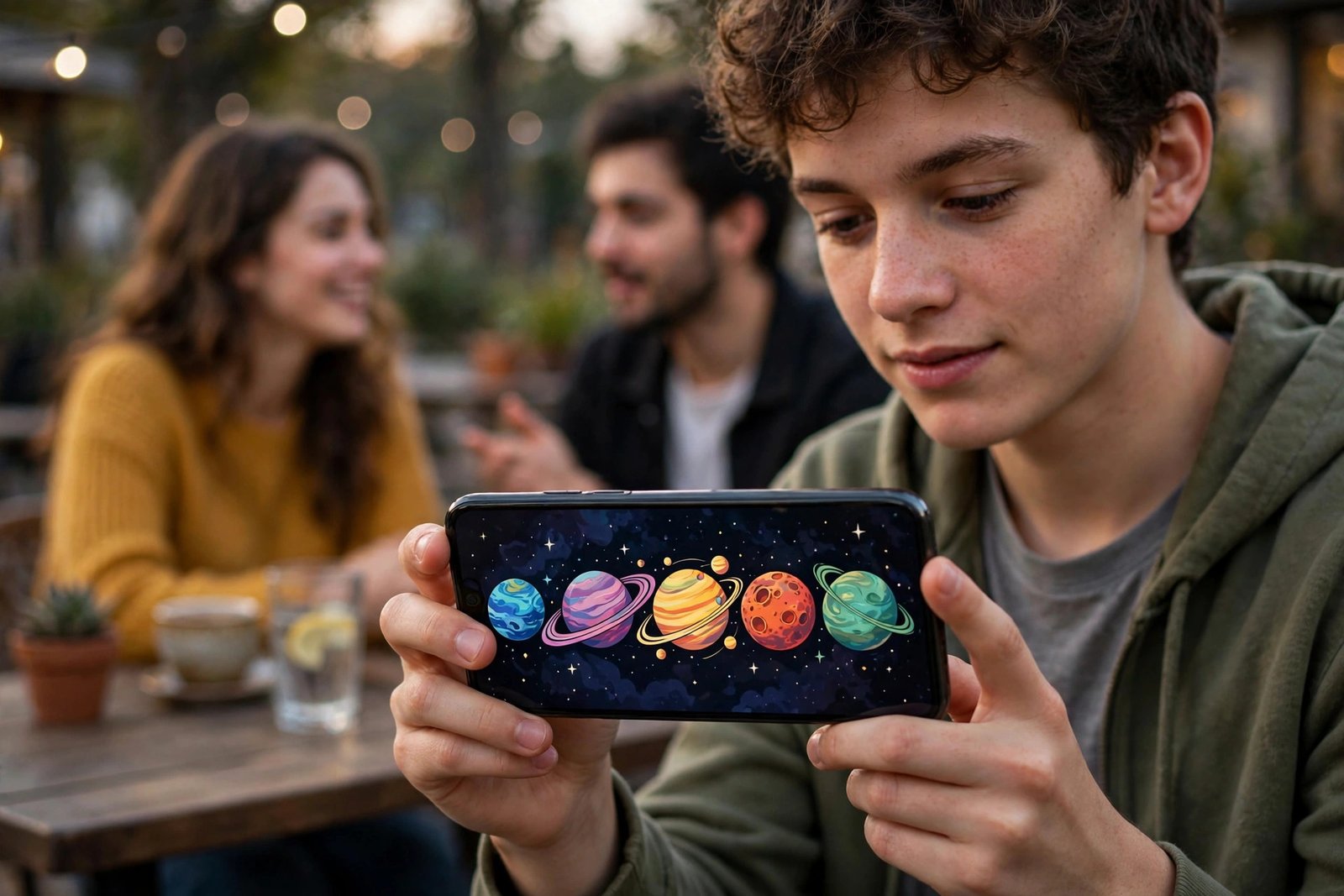
What Are Snapchat Planets?
Snapchat Planets are part of the “Friend Solar System,” a feature included with Snapchat+, the app’s paid subscription. In this system, you are the sun, and your closest friends appear as planets orbiting you. The nearer a friend’s planet sits to the sun, the more you interact with that friend: the snaps, chats, and overall activity between you place them in your personal top eight.
Each of your eight closest friends is assigned one planet, from Mercury in the first position to Neptune in the eighth. When you open a friend’s profile and tap the badge that shows your friendship status, Snapchat displays the planet representing that friend’s position in your solar system, provided you have Snapchat+ and the friend is in your top eight. Sites with names like snapchatplanetsorders.com exist because the order, and what each position means, is exactly what users want spelled out.
The Snapchat Planets Order, Explained Planet by Planet
1. Mercury: Your Closest Friend
Mercury is the number one spot: the person you interact with most on Snapchat. If a friend has the Mercury badge, they are your top friend on the app right now. Mercury is shown as a deep red-toned planet, and holding this position usually means daily snaps, long chat threads, and active streaks between you.
2. Venus: Second Closest
Venus represents your second-closest friend. The gap between Venus and Mercury is often small; a few busy days of snapping with your Venus friend while your Mercury friend is quiet can swap their positions, because the system updates with your behavior.
3. Earth: Third Closest
Earth marks a strong, regular friendship, third in your current ranking. Earth’s badge is one of the most recognizable, shown in blue and green tones with a small moon, and it typically belongs to someone you talk with most days, even if not constantly.
4. Mars: Fourth Closest
Mars sits in the middle of the solar system, fourth position. A Mars friend is a steady presence: frequent snaps and chats, but a step behind your top three. Mars appears in reddish-orange tones, matching its real-world nickname, the Red Planet.
5. Jupiter: Fifth Closest
Jupiter, fifth, is where the ranking starts to feel more fluid. Friends in the Jupiter position are people you interact with regularly but not daily, and this spot changes hands often as group chats and streaks shift. Its badge shows the familiar orange, banded look of the gas giant.
6. Saturn: Sixth Closest
Saturn, sixth, is instantly identifiable by its ring. A Saturn friend is in your top eight but toward its outer edge: someone you snap with regularly, perhaps a streak you maintain, without the constant chatting of your top three.
7. Uranus: Seventh Closest
Uranus, seventh, appears in pale green and teal tones. Friends here are near the boundary of your top eight. A week of extra interaction can pull a Uranus friend inward, while a quiet week can push them out of the solar system entirely.
8. Neptune: Eighth Closest
Neptune, the deep blue eighth planet, is the last position in the solar system. A Neptune friend still ranks among your eight closest on the app, which is more than most of your friend list can say, but they are the closest to dropping out when someone new becomes more active.
How to See Your Friend Solar System
- Make sure you have an active Snapchat+ subscription, since the Friend Solar System is a subscriber feature.
- Open the profile of a friend you interact with often.
- Look for the badge near the top of their profile that reflects your friendship status, such as a “Best Friends” or “Friends” badge with a small ring or icon.
- Tap the badge to reveal the planet view, which shows which planet that friend is in your solar system and, in your own solar system view, where everyone sits.
If no badge appears, the friend may not be in your top eight, the subscription may have lapsed, or the app may need an update. Feature availability and exact screens can change as Snapchat updates the app, so if your screens differ slightly from this description, check the app’s own help pages for the latest layout. Interest in app features like this moves fast; our coverage of trending magazine topics shows how quickly a single feature can become the thing everyone is searching for.
How the Rankings Change Over Time
The solar system is not a permanent award. It recalculates from your recent interaction patterns, so planets move. A friend who goes on holiday for two weeks may drift from Mercury to Mars, while a new conversation partner can climb from outside the top eight to Venus surprisingly quickly. Streaks help, but total interaction, snaps and chats together, is what the system weighs.
This movement is why two friends can see different things. Your solar system is built from your activity, and your friend’s is built from theirs. You might be someone’s Mercury while they are your Earth, simply because each of you distributes your snapping differently across your friend lists. Neither view is wrong; they are personal rankings, not mutual scores.
Common Misconceptions About Snapchat Planets
- “The planets are astrology.” Despite the names, the planets have nothing to do with horoscopes or birth charts. They are simply positions one through eight with space-themed artwork.
- “Mercury means best friends forever.” Mercury means most interaction recently. It reflects behavior, not a promise, and it changes.
- “Everyone can see my planets.” The solar system is a subscriber feature shown to you about your friendships; it is not a public leaderboard posted to your profile for all viewers.
- “A planet drop means the friendship is over.” Rankings shift with ordinary life: exams, holidays, new jobs. A drop from Venus to Jupiter usually means a busy week, not a broken friendship.
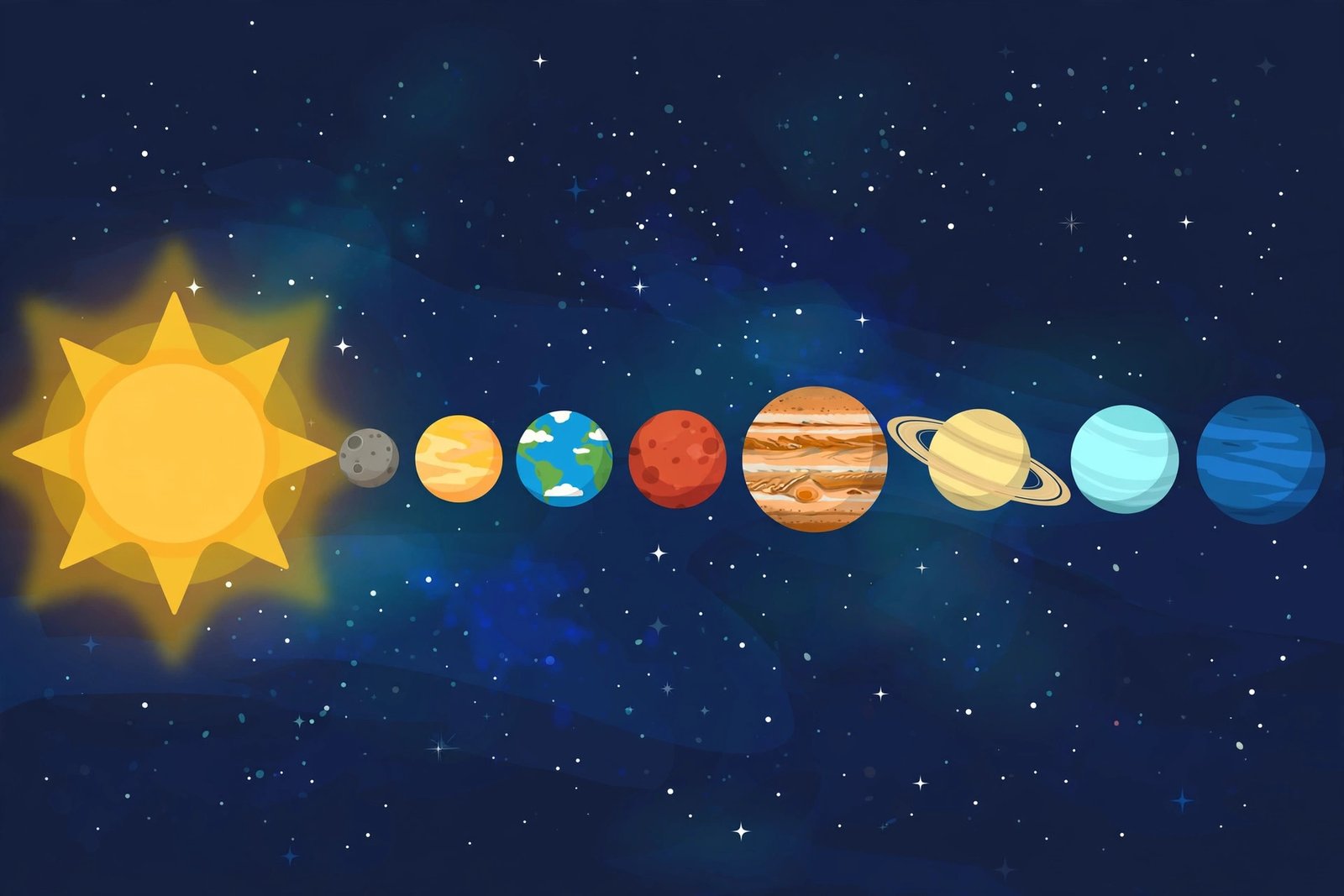
- “The order is the same on every site that lists it.” A few unofficial lists get positions wrong. The order follows the real solar system outward from the sun: Mercury, Venus, Earth, Mars, Jupiter, Saturn, Uranus, Neptune.
Why Explainer Sites for This Feature Exist
Snapchat is famously light on in-app explanation, so users Google their questions instead. That is the gap that order-guide sites fill, and it is also why accuracy matters: a wrong list gets copied across dozens of pages. When you use any explainer site, including ones with names like snapchatplanetsorders.com, cross-check the order against the real planet sequence, which never changes, and treat extra claims, such as secret meanings for each planet, with caution. For wider context on the outlets that cover features like this, see our roundup of tech news outlets in the USA.
App features pair naturally with good troubleshooting habits, too. If your badges ever look wrong after an update, the step-by-step approach in our PCSX2 BIOS site guide, check versions, verify settings, change one thing at a time, applies to app problems just as well as emulator ones.
Conclusion
The Snapchat planets order is simply the solar system turned into a friendship ranking: Mercury for the friend you interact with most, then Venus, Earth, Mars, Jupiter, Saturn, Uranus, and Neptune for your eighth closest. It is a Snapchat+ feature, it updates as your habits change, and it looks different from each person’s side of a friendship. Now that you know what each planet means, that little icon on a friend’s profile reads like a tiny report on your social life on the app, fun to check, and not worth stressing over when it moves.
How Planets Compare with Snapchat’s Older Best Friend Signs
Long-time users remember the older system: heart and smiley emojis beside names, and a public “best friends” list in the app’s early years. The solar system replaced guesswork with a clearer structure. Emojis told you a friendship category; planets tell you an exact position, first through eighth, and they are private to your account rather than displayed publicly. If you learned Snapchat through emojis, the simplest translation is that your old “best friends” group is now drawn as planets, with Mercury doing the job the yellow heart once did, marking your single closest contact.
Can You Hide, Reset, or Turn Off the Solar System?
Users ask this when a ranking feels awkward, perhaps an ex sits at Mercury or a parent wonders why a friend dropped. There is no button that resets the solar system or freezes it, because it is calculated continuously from activity. What you can control is the behavior that feeds it: interact more with the people you want ranked higher, and less with those you do not. Positions then move on their own over days and weeks. Remember, too, that the feature only exists inside Snapchat+; ending the subscription removes the planet view, though it does not change your friendships or chat history in any way.
A final nuance worth knowing: the solar system counts interaction on Snapchat only. A friend you text all day on another app but rarely snap will sit far out, or nowhere, in your planets, while a streak partner you barely know in person can hold Mercury. Read the ranking as a picture of your Snapchat habits specifically, and it will always make sense.
Group chats add one more wrinkle: messages in a busy group can lift several friends at once, which is why siblings, classmates, and teammates often cluster together in the middle planets. Your solar system, in other words, quietly maps your group life as much as your one-to-one friendships.
Frequently Asked Questions
What is the Snapchat planets order?
From closest to eighth closest: Mercury, Venus, Earth, Mars, Jupiter, Saturn, Uranus, and Neptune. The order follows the real solar system outward from the sun, with you as the sun at the center.
What does Mercury mean on Snapchat?
Mercury is the number one position in your Friend Solar System: the person you currently interact with most on Snapchat through snaps and chats. It is a ranking of recent activity, not a permanent title.
Do I need Snapchat+ to see the planets?
Yes. The Friend Solar System is a Snapchat+ subscriber feature. Without the subscription, you will not see the planet badges or the solar system view on profiles.
Can my friend see a different planet for me?
Yes. Each person’s solar system is calculated from their own activity, so you can be Mercury in a friend’s system while they are Earth in yours. The rankings are personal, not shared scores.
Why did my friend’s planet change?
Because the rankings update with recent interaction. If you snap other friends more for a week or two, positions shift. Changes usually reflect ordinary habits, not problems with the friendship.
What is snapchatplanetsorders.com usa?
It is a search term US users use for websites that explain the Snapchat planets order. This guide covers the same ground: the full order, what each position means, and how to view your own solar system.
How many friends appear in the solar system?
Eight. Only your eight closest friends by interaction receive planets; everyone else on your friend list sits outside the solar system until your activity with them increases.


Leave a Reply