

Some searches are easy to explain, and some are mysteries. Searches for almawadahit .com usa fall into the second group: US readers have come across this website name, perhaps through a shared link, a social post, or another page, and want to know what the site offers before they spend time on it. Public information about this particular site is limited, so this independent guide takes the honest approach: it explains what the name suggests, shows you a step-by-step method for checking what any unfamiliar website actually offers, and covers the safety and translation tips that help US readers evaluate it for themselves.
That method is worth learning in its own right. Small and foreign-language websites appear in search results and shared links every day, and knowing how to size one up in two minutes is a genuinely useful internet skill.

What the Name Almawadahit Suggests
The name appears to be a transliteration from Arabic. “Al Mawada” (المودة) is an Arabic word associated with affection, kindness, and warm feeling, and names built on it are often used by Arabic-language websites, media projects, and community or entertainment pages. The ending of the domain as written in the search term is unusual, and the spaced “.com” in the query suggests many searchers copied the name from somewhere rather than typing it from memory.
Beyond the name itself, firm details about this specific site’s content, owners, and purpose are not widely documented in English-language sources, and we will not invent any. It may be a content or media site aimed at Arabic-speaking audiences, which would explain why US searchers, including Arabic speakers in the United States and people who received a link, look for it with “usa” added. The rest of this guide shows you how to confirm what it actually offers, safely and quickly.
How to Check What an Unfamiliar Website Offers: A Step-by-Step Method
- Start on the homepage. Open the site’s main page and look at the headline, the main menu, and the newest items. Within seconds you can usually tell whether a site is a blog, a magazine, a video page, a store, or a service.
- Find the “About” page. Most legitimate sites explain who they are and what they publish. An about page in any language is a good sign; its complete absence is information too.
- Check the categories. Menu labels reveal the content mix: news, entertainment, religion, sports, technology, or community topics.
- Look at dates. Recent posts suggest an active site. A homepage frozen years ago suggests an abandoned project.
- Identify the language. If the content is in Arabic or another language you do not read, use the translation steps in the next section before judging it.
- Check the contact options. A contact page, email, or social links show the site expects real visitors and feedback.
This same method works for any little-known domain you meet online. We applied a similar reader-first approach in our Magfusehub guide, because the questions US visitors ask about unfamiliar sites are remarkably consistent.
If the Site Is in Arabic: Translation Tips for US Readers
If Almawadahit turns out to be Arabic-language, as its name suggests, your browser can make it readable in seconds. In Chrome, right-click the page and choose “Translate to English,” or use the translate icon in the address bar. On a phone, the browser menu offers the same option. Machine translation handles headlines, menus, and article text well enough to understand topics and tone, even if poetry, humor, and religious or poetic phrasing lose some nuance.
A few practical notes: text inside images will not translate automatically, so headlines baked into pictures may stay in Arabic; right-to-left layout can make translated pages look slightly rearranged; and names of people and programs are sometimes transliterated oddly. For a casual visit, none of this blocks understanding. If you find content you genuinely like, following the site’s linked social accounts, which often post summaries or clips, can be easier than reading full articles through translation.
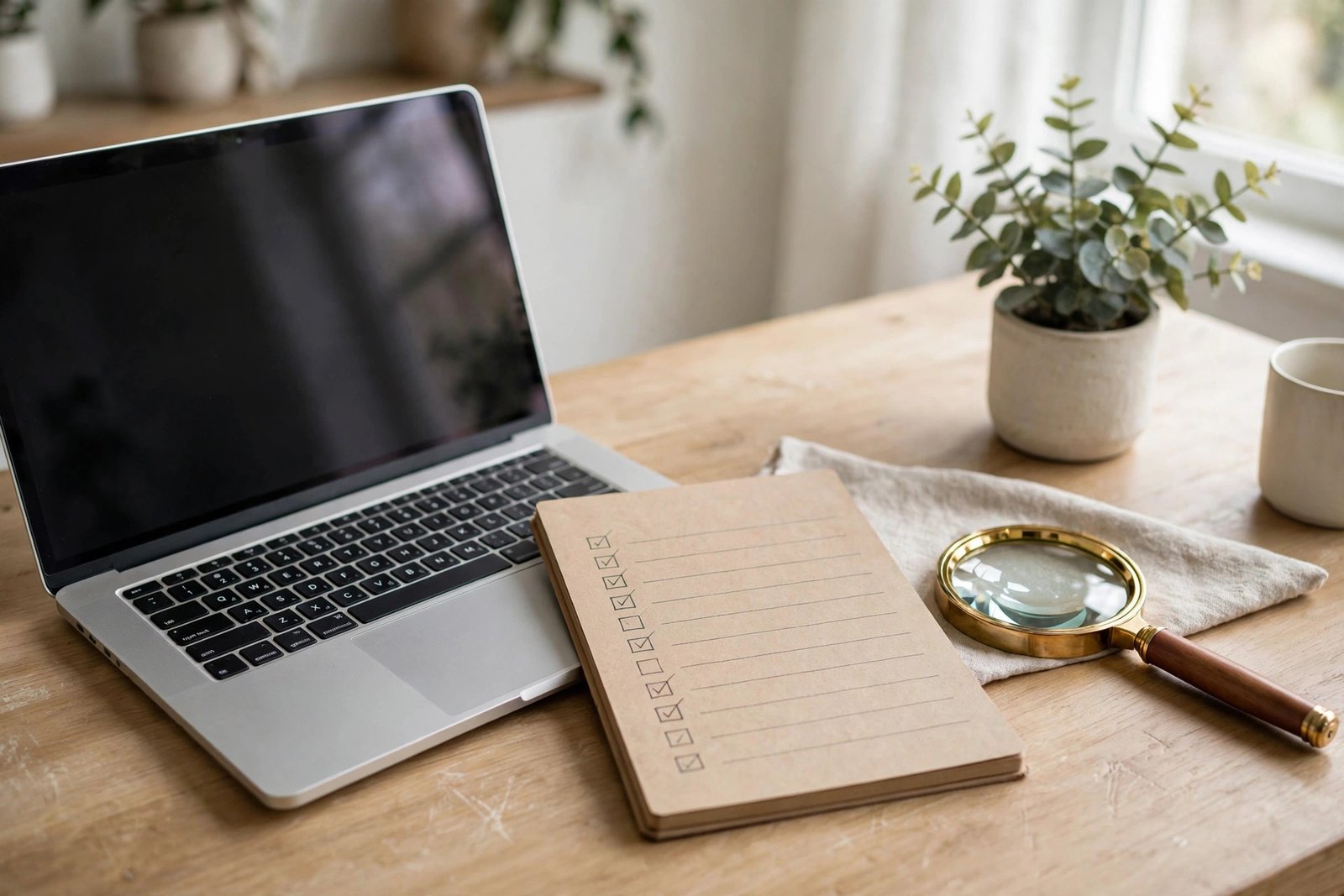
Safety Checks Before You Click Around
Unfamiliar does not mean unsafe, but a two-minute check is wise on any site you do not know:
- Look for HTTPS. The padlock in the address bar means the connection is encrypted; its absence is a reason for extra caution, especially on any page asking for input.
- Refuse unexpected downloads. A content site should not need to install anything. Close any page that pushes a download, a “required” player, or a browser extension.
- Ignore prize and warning pop-ups. “You won” and “your phone is infected” messages are scams regardless of which site they appear on.
- Do not log in with reused credentials. If the site offers accounts, use a unique password, or simply browse without registering.
- Check the domain spelling. Lookalike domains imitate known sites. Make sure the address you are on is the one you intended to visit.
These habits protect you everywhere, not just here. Magazine-style sites raise the same points; our Fentomagazine.com USA guide includes a similar checklist for judging publications you have never heard of.
What to Do If the Site Does Not Load or Looks Different
Small websites can be unstable. If the page does not load, try again later, check whether the address was typed exactly, and test on another device or connection. Sites also change: a domain can be redesigned, moved, or replaced by entirely different content, and occasionally an expired domain is picked up by someone new. If what you see does not match what you were told the site contains, that mismatch itself is your answer, and it is better to leave than to push through confusing pages.
If you arrived from a link someone sent you, asking the sender what they meant to share is often faster than detective work. Shared links lose context constantly, and the sender can usually tell you in one message whether the site is a news page, an entertainment blog, or something else entirely.
Finding Alternatives for Arabic-Language Content in the USA
If the site does not give you what you were looking for, Arabic-language content is widely available to US readers through larger, well-documented outlets: international Arabic news services, streaming platforms with Arabic libraries, YouTube channels, and diaspora community publications based in American cities. Searching in Arabic, if you read it, or searching English descriptions of the topic you wanted, will surface these quickly. The point of this guide is not to guess what you were seeking from one small site, but to leave you able to find a reliable source for it.
Similar name-based mysteries appear often in US search data, and our approach is consistent across them, as in the Simplifydiggs guide: explain what can be verified, show the reader how to check the rest, and never dress up guesses as facts.
Conclusion
For US readers, almawadahit .com usa is a small mystery with a practical solution. The name suggests an Arabic-language site, possibly media or community content, but detailed public information is limited, and honest guidance means saying so. What you can do, in about two minutes, is open the homepage, read the menu and about page, translate if needed, and run the basic safety checks in this guide. That method tells you what the site offers far more reliably than any secondhand description, and it works for every unfamiliar website you will meet after this one.
Why Small Sites Like This Show Up in US Search Results
It surprises people that a small, foreign-language website can surface in American search results, but it happens constantly. Search engines index the whole public web, not just English-language sites, and a single share in a large group chat or community page can send hundreds of US visitors to one link in a day. The United States also has large Arabic-speaking communities, and bilingual readers move between English and Arabic sources all day, so names like this one regularly trend in US search data without the site itself targeting an American audience at all.
Understanding that context prevents two mistakes. The first is assuming a site must be famous or official because you saw its name shared widely; virality and authority are different things. The second is assuming the opposite, that an unfamiliar foreign-language site must be suspicious. Most small sites are simply small: a personal project, a community page, or a niche publication serving its own audience. The checking method earlier in this guide threads the needle between those mistakes.
Using Search Snippets and Archived Copies to Preview a Site
If you want a preview before visiting at all, search engines themselves can help. Searching the site’s name often shows its own description of itself in the results snippet, along with its most-linked pages, which together reveal its topic and language without a single click. Reviews, forum mentions, or social posts about the site, when they exist, add a second opinion.
Web archives offer another preview: archived copies of a homepage show what the site looked like at an earlier date, which confirms its topic and whether it has been consistent over time. If the archived version and the live version tell completely different stories, the domain may have changed hands, and you should judge the current site on its own merits using the checks above. Two minutes of this kind of previewing turns an unknown link into a known quantity, which is all most readers ever need.
One more situation deserves a mention: sometimes the name in a search is slightly wrong, a mis-transcribed domain passed along through screenshots and reposts. If the exact address leads nowhere, small spelling variations or a search for the name without the domain ending can reveal the intended site. Just apply the same caution to whatever you find, since a corrected guess deserves the same two-minute check as the original link.
Bookmarking is a sensible final step once a site passes your checks: save it under a short note about what it turned out to be, in your own words. Weeks later, when the same link circulates again, you will thank yourself for the label instead of starting the detective work from zero.
Treat the whole exercise as a habit rather than a one-off investigation, and unfamiliar names will stop being obstacles and start being small, solvable puzzles in your everyday browsing life online.
Frequently Asked Questions
What is almawadahit .com usa?
It is a search term used by people in the United States for a website called Almawadahit. The name appears to come from Arabic, but detailed public information about this specific site is limited, so this guide explains how to check what it offers.
What does the name Almawadahit mean?
It appears to be a transliteration involving the Arabic word “Al Mawada,” which is associated with affection and kindness. Names built on it are commonly used by Arabic-language media and community websites, though the exact purpose of this site is not widely documented.
Is Almawadahit in English or Arabic?
Based on the name, the site is more likely Arabic-language than English, but you can confirm in seconds by opening the homepage. If it is in Arabic, your browser’s built-in translate feature can render it into readable English.
Is it safe to visit an unfamiliar website like this?
Browsing a homepage is generally low-risk if you follow basic precautions: check for HTTPS, refuse unexpected downloads, ignore prize or virus-warning pop-ups, and do not reuse important passwords if you register anywhere.
Why do people add “usa” to searches like this?
Usually because they are located in the United States and want the version of a site, or information about it, that is relevant to them, or because they received the link from someone in the US and are checking what it is.
What should I do if the site does not open?
Check the spelling of the address, try again later, and try a different device or connection. Small sites go offline, move, or change ownership; if it stays unavailable, look for the same content through the larger Arabic-language outlets available to US readers.



Leave a Reply