
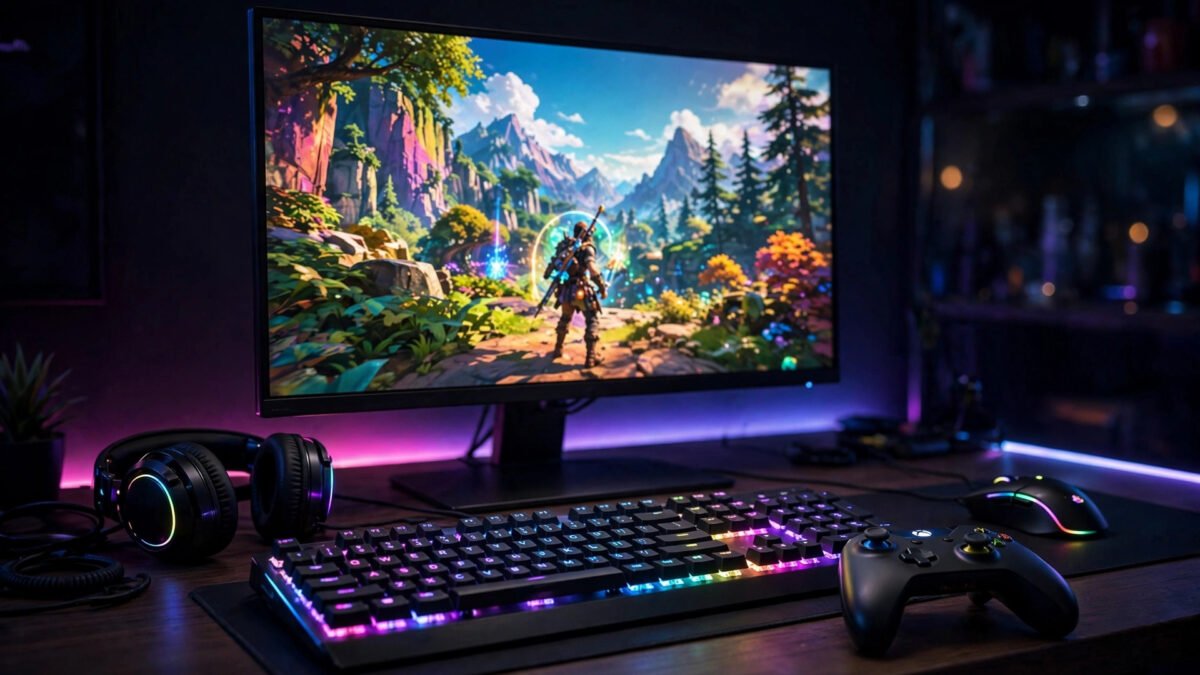
Gaming has grown from a niche hobby into one of the world’s biggest entertainment industries, and the phrase “tech play games” captures what most players are really asking about: what technology do you need to play, and which platform fits you best? Whether you are a curious beginner or a returning player, the choices — PC, console, mobile, cloud — can feel overwhelming.
This independent guide breaks down the major gaming platforms, how they compare, and practical tips for getting a better experience whatever you play on. No sponsorships, no brand pitches — just a clear overview to help you decide where to start or what to upgrade next.
The Major Gaming Platforms
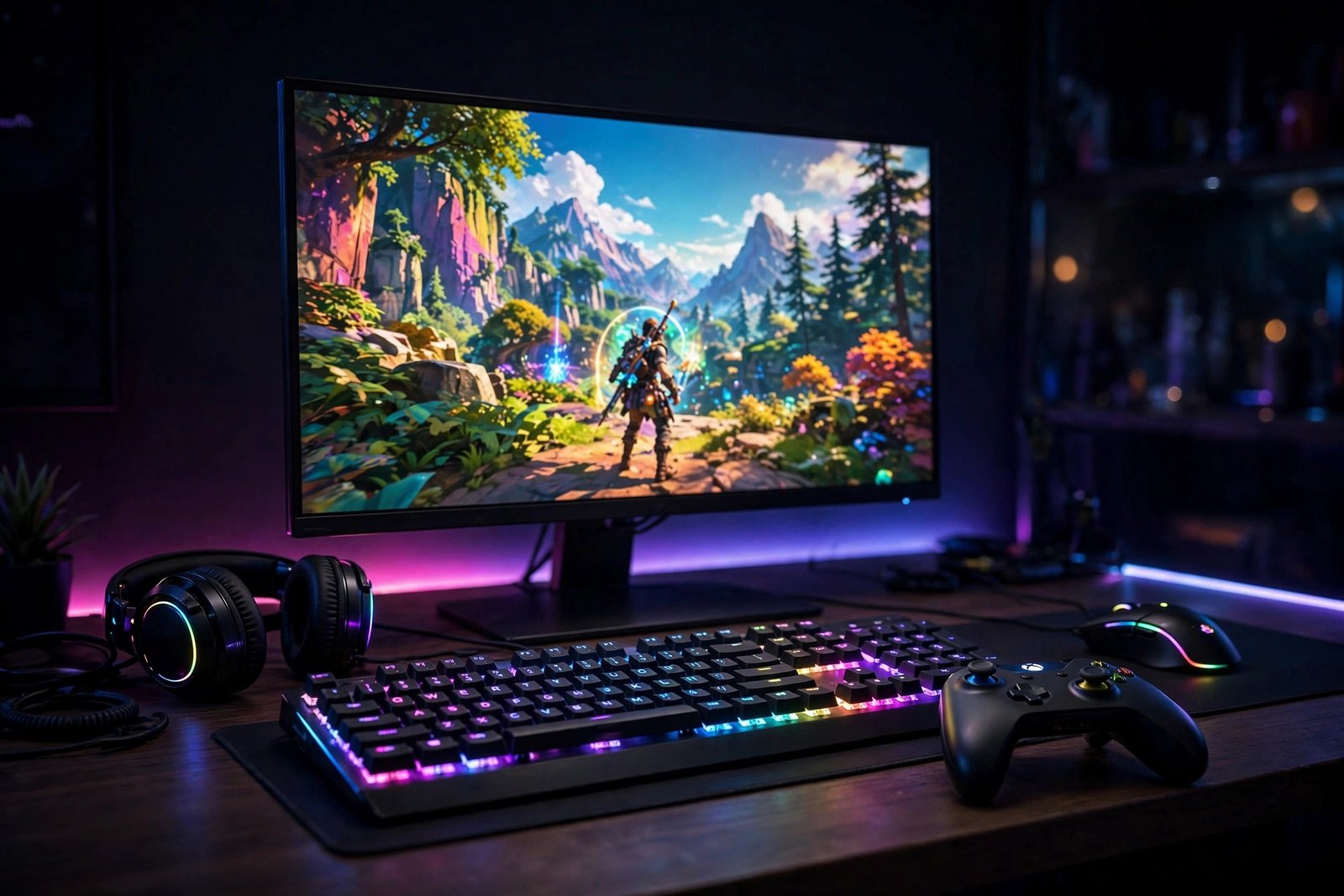
PC Gaming
The PC remains the most flexible platform. You can upgrade individual parts over time, choose from the widest game library, and fine-tune graphics settings to match your hardware. The tradeoff is complexity and cost: building or buying a capable gaming PC takes research and a bigger upfront budget than other options. For players who love tweaking settings and playing competitive titles at high frame rates, though, nothing else quite matches it.
Console Gaming
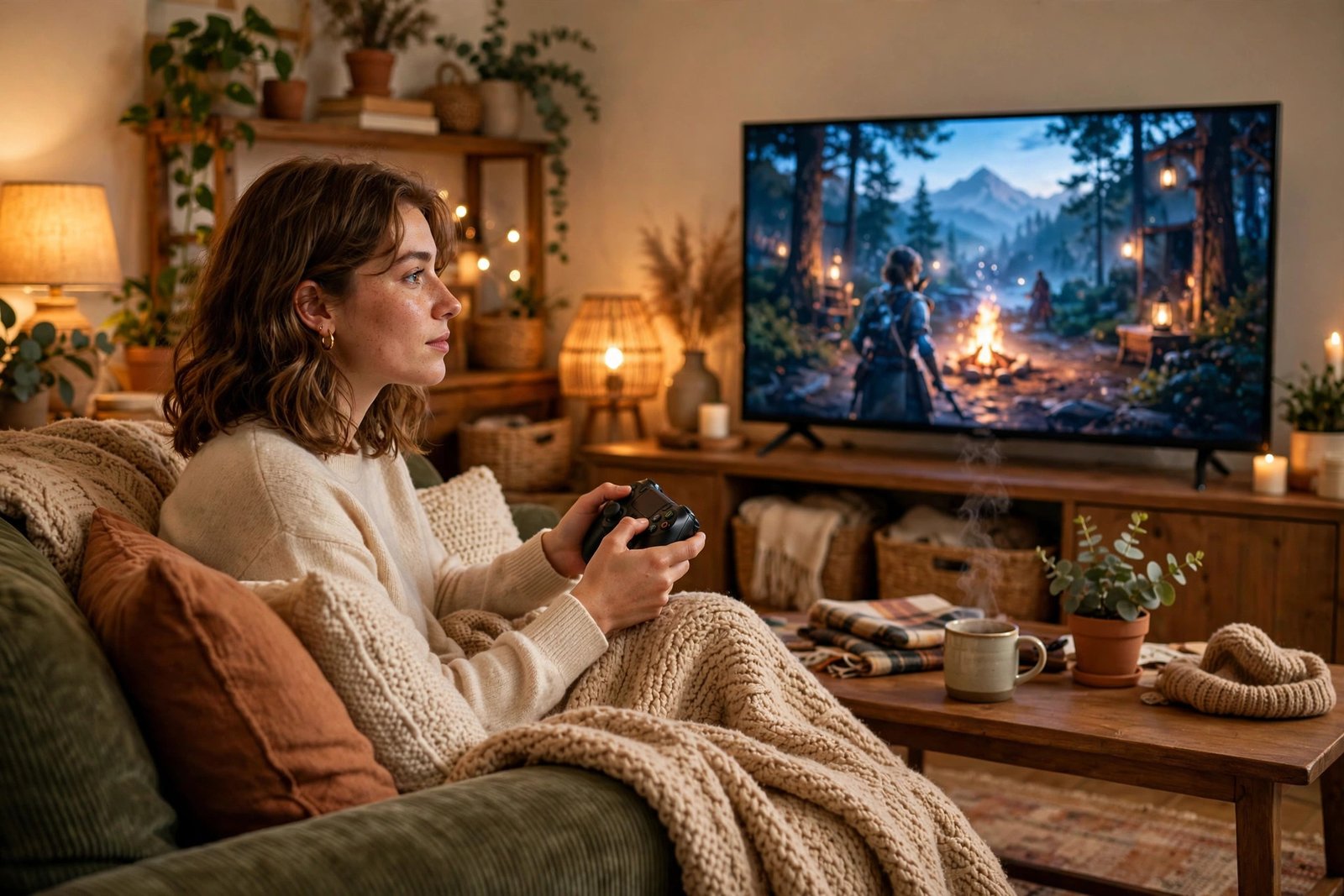
Consoles like the PlayStation and Xbox families offer the simplest path into gaming: buy the box, plug it in, and play. Games are optimized for the hardware, so you never worry about settings or upgrades during a console generation. Consoles also shine for living-room multiplayer and exclusive titles. The main limitation is less flexibility — you play the ecosystem’s games on the ecosystem’s terms.
Mobile Gaming
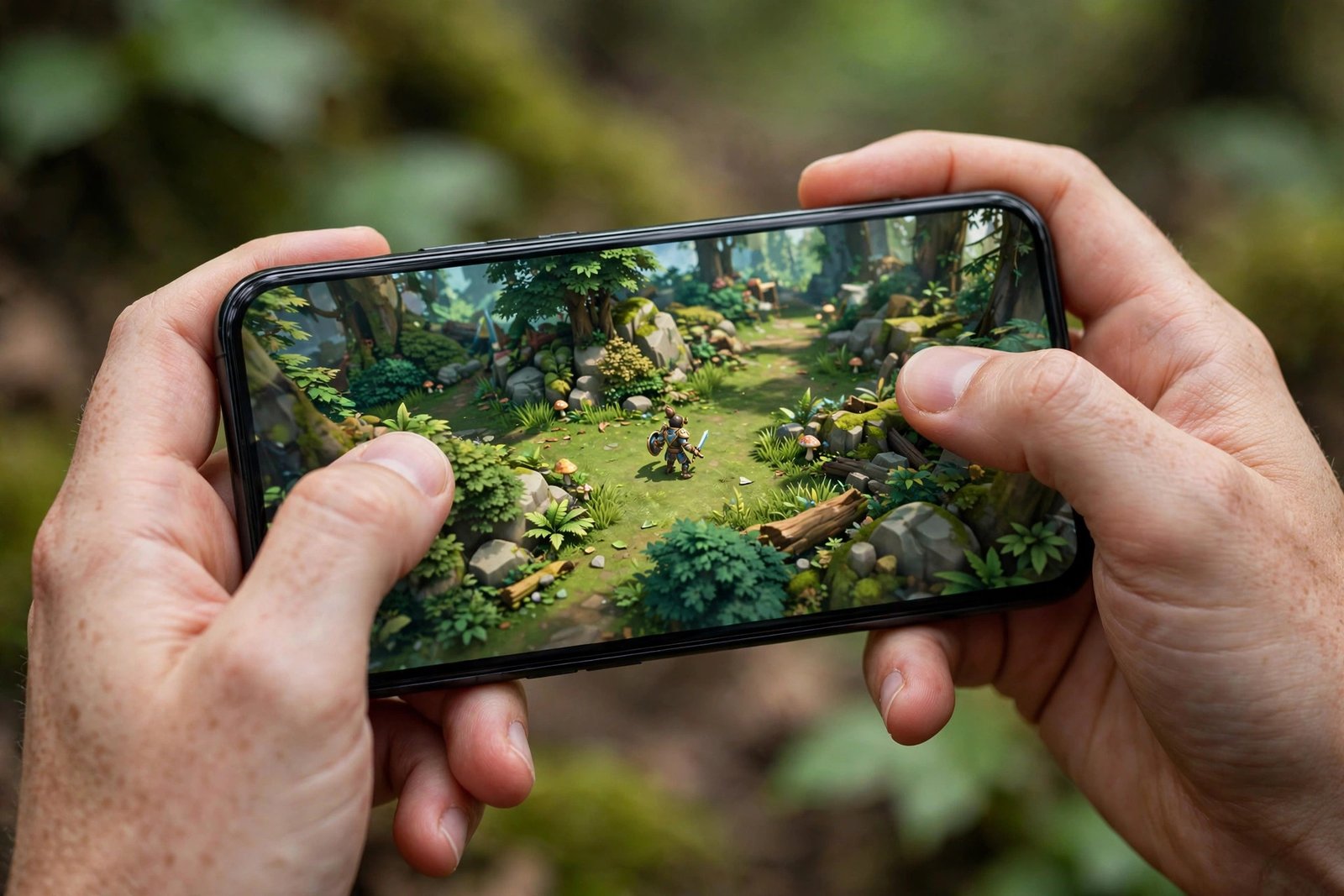
The phone in your pocket is the most popular gaming device on the planet. Mobile games range from quick puzzle titles to surprisingly deep strategy and action games, and the entry cost is essentially zero if you already own a smartphone. Touch controls suit some genres better than others, but attachable controllers have narrowed the gap considerably.
Cloud Gaming
Cloud gaming streams games from remote servers to your device, so the heavy lifting happens in a data center rather than on your hardware. This lets modest laptops, phones, and even smart TVs run demanding titles. The catch is dependence on a fast, stable internet connection — latency and compression can affect fast-paced competitive games. It is worth understanding which operating systems handle web-based apps best, since cloud gaming lives or dies on browser and app performance.
Handhelds
Dedicated handhelds and handheld PCs have carved out a loyal following by combining portability with serious game libraries. They are ideal for commuters and travelers who want more than mobile games offer without lugging a laptop.
Practical Tips for a Better Gaming Experience
Start With Your Budget and Habits
Be honest about how and where you play. A commuter who games in short bursts will get more from a handheld or phone than from a high-end PC gathering dust. A player who hosts friends on weekends should prioritize the living-room console setup. Match the platform to your real life, not an idealized version of it.
Invest in Comfort
Gaming sessions run long, and ergonomics matter more than RGB lighting. A supportive chair, a monitor or TV at eye level, and a controller or mouse that fits your hands will improve every session more than a small graphics upgrade. Take regular breaks, stretch, and keep water nearby — your body will thank you.
Sort Your Internet Connection
For online and cloud gaming, connection quality beats raw download speed. A wired ethernet connection to your PC or console dramatically reduces lag spikes compared with Wi-Fi. If wiring is not possible, position your router well and consider a mesh system for larger homes.
Protect Your Gear on the Move
If you carry a handheld, laptop, or accessories between home and friends’ places, a well-organized bag matters. Our tech backpack guide covers what to look for in compartments and device protection for exactly this kind of everyday carry.
Try Before You Buy Big
Most platforms offer free-to-play titles, demos, or trial subscriptions. Spend time with those before committing to expensive hardware or full-price games. Your taste in genres — shooters, RPGs, strategy, cozy sims — should drive the hardware decision, not the other way around.
Gaming Content and Community
Many players also enjoy the community side: streaming, making highlight clips, or joining online groups. If that appeals to you, basic free video editing software is enough to start turning gameplay into shareable clips. You do not need professional tools to have fun with it.
Frequently Asked Questions
What is the best gaming platform for beginners?
There is no single best choice, but consoles are the easiest starting point because everything just works out of the box. If you already own a decent PC or a recent smartphone, starting there costs nothing and lets you discover what genres you enjoy first.
Is PC gaming better than console gaming?
PC offers more flexibility, upgradeability, and the broadest game library, while consoles offer simplicity and lower upfront cost. “Better” depends on whether you value tinkering and performance or convenience and couch play.
Do I need fast internet for cloud gaming?
Yes — a stable, low-latency connection matters more than headline download speed. Wired connections work best, and competitive fast-twitch games are the hardest use case for streaming. Slower-paced titles stream much more forgivingly.
How much should a beginner spend on a gaming setup?
Start small. A console or a mid-range accessory upgrade often delivers most of the fun for a fraction of a high-end PC build. Spend more only after you know which games and genres you actually play regularly.
Are mobile games “real” games?
Absolutely. Mobile hosts everything from casual puzzles to deep strategy games and competitive titles with massive player bases. Dismissing the platform ignores where most of the world’s gaming actually happens.
Conclusion
The best gaming tech is the tech that fits your life: your budget, your space, your schedule, and the games you love. Compare platforms honestly, invest in comfort, and let your actual playing habits guide upgrades. Whether you end up on PC, console, mobile, or the cloud, the goal is the same — more fun per hour, with less friction between you and the game.


Leave a Reply